


The sixth day of Sharadiya Navratri, which will be observed on October 16, 2026, is dedicated to 'Maa Katyayani' the sixth manifestation of Goddess Durga. She is worshipped as a potent symbol of power, embodying courage, strength, and the capacity to stand against injustice. However, there is another reason for the special significance of Maa Katyayani in Hindu tradition: she is associated with the prayers of unmarried young women who seek a suitable life partner.
Who is Mother Katyayani?
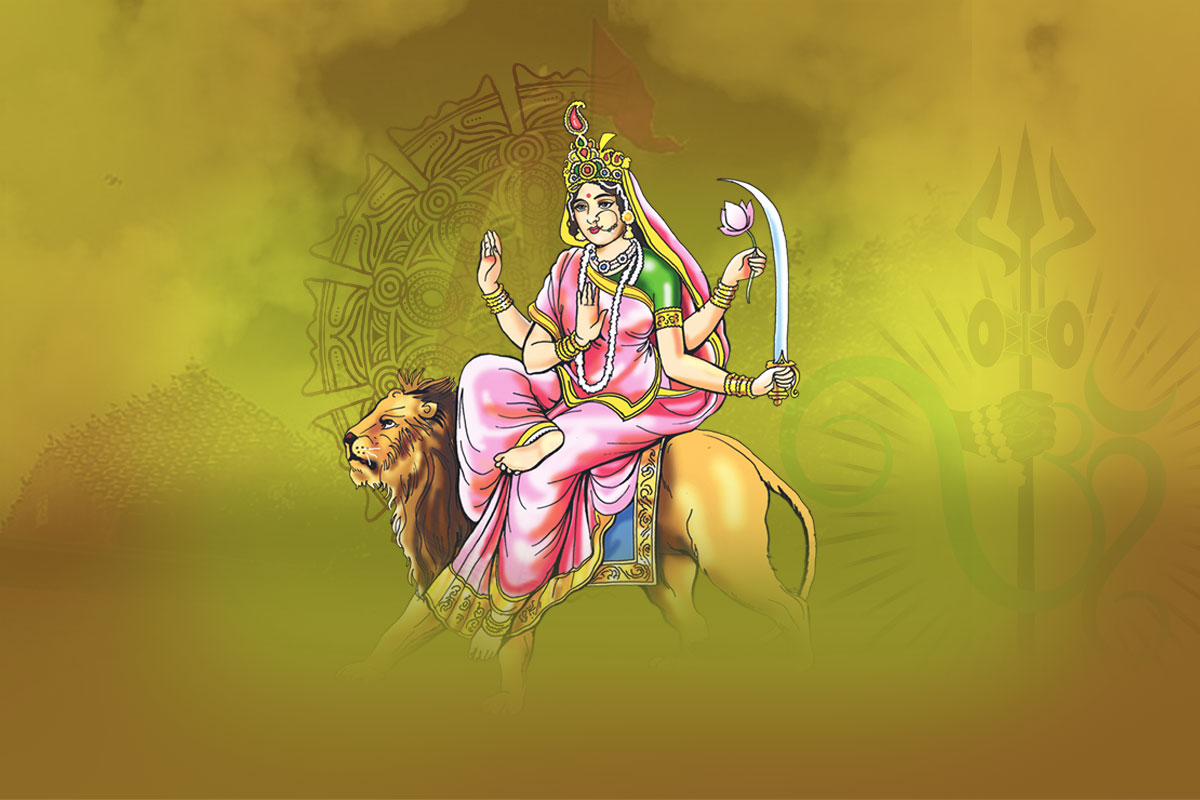
According to Hindu religious traditions, Mother Katyayani is a fierce form of Goddess Durga, who manifested to destroy evil forces and re-establish righteousness (dharma). Her name is believed to be associated with the sage Katyayana. She is often depicted riding a lion or a tiger, holding various weapons in her hands..Her image embodies the idea that strength is not merely physical power. It can also mean standing up for what is right, facing difficult circumstances, and refusing to succumb to fear. During Navaratri, devotees worship Goddess Katyayani to seek courage, protection, and blessings for their families.
Why do unmarried girls worship Goddess Katyayani?
One of the most well-known stories associated with Goddess Katyayani is found in the 'Bhagavata Purana'. According to this account, the Gopis of Vrindavan observed a fast (vrat) dedicated to Goddess Katyayani, as they wished to have Lord Krishna as their husband. They worshipped the Goddess with deep devotion and prayed for the fulfillment of their desire. This narrative has become an integral part of the religious tradition surrounding Goddess Katyayani..For this reason, many unmarried young women worship Goddess Katyayani, praying for a suitable life partner and a happy married life. This tradition is rooted in devotion, faith, and the hope of finding a compatible spouse. However, these are matters of religious belief; there is no guarantee that any specific prayer will ensure a marriage or determine one's future.
What is the significance of honey on the sixth day of Navratri?
In the traditions of Navratri worship, honey is often mentioned among the items offered to Goddess Katyayani. In a devotional context, it is considered a symbol of sweetness and auspiciousness. Some devotees offer honey to the Goddess during worship, including it among the various offerings presented to Her. The items offered during worship may vary based on regional customs, family traditions, and the specific practices of different temples. Devotees should follow the customs observed in their own homes or adhere to the guidelines provided by their local temple.
How is Goddess Katyayani worshipped on the sixth day?
Devotees typically begin the day by bathing and preparing a clean space for worship. They offer flowers, light a diya (lamp), and pray to Goddess Katyayani with deep devotion. In some families, the Goddess’s mantras are chanted, or religious texts associated with Goddess Durga are read.
The commonly recited mantra is:-
"Om Devi Katyayanyai Namah."
Devotees may also offer fruits, sweets, or honey, in accordance with their family traditions. There is no need to make the worship ritual unnecessarily complex; sincere dedication and devotion are the most important aspects of worship.
What is the color for Navratri on October 16, 2026?
According to the 2026 calendar published by 'Drik Panchang', the color for the sixth day of Sharadiya Navratri is green. Since different families and religious traditions may have their own distinct customs regarding colors, devotees may follow the traditions practiced within their own households.
The color green is often associated with growth, renewal, and prosperity. Wearing the traditional color designated for a particular day is a custom linked to the celebrations, rather than a mandatory religious requirement.
Why the story of Goddess Katyayani remains relevant even today
The story of Goddess Katyayani is not limited solely to prayers concerning marriage. Her worship reminds devotees of the importance of courage, determination, and faith during difficult times. For many, Navratri serves as an opportunity to reflect on personal goals, strengthen one’s spiritual practice, and gain the inner strength needed to face challenges..On the sixth day of Navaratri, devotees honor Goddess Katyayani as a symbol of divine power and protection. Across various parts of India, this day is observed with deep devotion through prayers, the chanting of mantras, or simple offerings.