


Have you ever noticed mango leaves and marigold flowers hanging at the main entrance of Indian homes during festivals or weddings? This traditional decoration is called a 'toran'—also known as a 'bandanwar' in many parts of India.For many families, putting up a toran is an essential part of preparing their home for special occasions. But why is this simple decorative item considered so significant?
What is a toran?
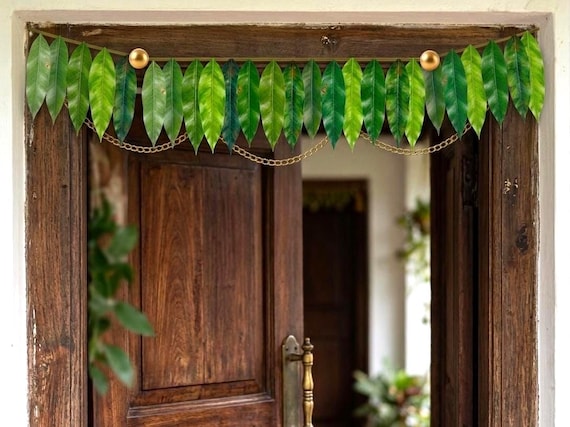
A toran is a decorative hanging placed above the main entrance of a home, temple, or any other building. Traditionally, it is crafted using fresh mango leaves, marigold flowers, and thread. Nowadays, torans made from colorful fabrics, beads, mirrors, and artificial flowers have also become quite popular.
In many Indian households, torans are displayed during occasions such as Diwali, Navratri, weddings, and housewarming ceremonies. They lend a festive look to the entrance and serve as a welcoming gesture for guests.
Handmade Toran Door Hanging
Why is a toran considered auspicious?
In Indian tradition, the main entrance is regarded as a vital part of the home. Decorating it before a festival or celebration symbolizes a warm welcome and a positive beginning.
Many Hindu families associate the toran with prosperity, happiness, and good fortune. Some believe that decorating the entrance helps in welcoming Goddess Lakshmi, the deity of wealth and prosperity.
These meanings are rooted in religious and cultural beliefs, and traditions may vary across different families or regions.
Premium Artificial White Mogra Flower Garland
Why are mango leaves used?
Mango leaves hold a special place in Indian religious rituals. Beyond their use in torans, they are also frequently placed around the Kalash used during worship (puja). Traditionally, fresh green leaves are associated with auspicious occasions and nature. They have been used in decorations for generations, especially during weddings and festivals.
However, the claim that a toran made of mango leaves possesses any special power should be understood as a traditional belief rather than a scientifically proven fact.
Yellow & Green Hanging Artificial Flower Toran
What is the significance of marigold flowers?
In Indian festivals, yellow and orange marigold flowers are commonly used because of their vibrant colors and easy availability. People decorate doorways, temples, and spaces used for worship with these flowers, creating a cheerful and festive atmosphere. Marigolds are often combined with mango leaves to create a traditional *toran*—a simple yet colorful decoration.
Rajasthan Kraft Artificial Flowers Decoration Marigold Garland
How does this tradition vary across different parts of India?
The designs of torans vary by region. In Gujarat, one might find embroidered *torans* featuring mirrors, colorful threads, and traditional patterns. In many other parts of India, people prefer using fresh mango leaves and marigold flowers.
Nowadays, many people also use torans made from fabric, beads, or artificial flowers, which can be reused. This eliminates the need for frequent replacement of fresh decorations while still upholding the tradition.
Handmade Decorative Door Bandhanwar
A tradition that endures today
For many Indian families, a toran is more than just a decorative item; it is a symbol of hospitality, celebration, and cultural beliefs passed down through generations.
Whether crafted from fresh leaves or colorful fabric, a toran gives the entrance of a home an attractive and welcoming appearance. The next time you see a *toran* hanging on a doorway, remember that this small decoration holds a very ancient and special place in India’s festive traditions.