


Gaya, located in Bihar, is one of the most sacred pilgrimage destinations in Hindu tradition. While the city is widely known for Pind Daan and rituals performed for deceased ancestors, its religious importance is connected to a fascinating mythological story involving Gayasura and Lord Vishnu.
But why is Gaya considered so sacred? Why do thousands of families visit this place to perform ancestral rituals, especially during Pitru Paksha? The answers lie in the ancient legends associated with this holy land..
The Story of Gayasura: Why Did Gaya Become Sacred?
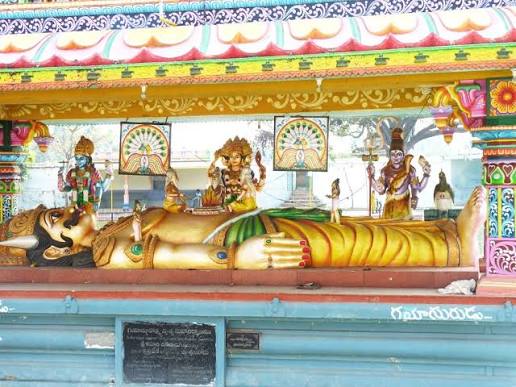
According to a popular Hindu mythological tradition, Gayasura was an Asura who performed intense penance and became extraordinarily powerful through his devotion.
His spiritual power became so great that, according to the legend, anyone who saw him or came into contact with him could attain moksha, or liberation from the cycle of birth and death.
This created a problem for the gods, who became concerned about the established cosmic order. They approached Lord Vishnu for a solution..In one popular version of the story, the gods requested Gayasura to offer his body as the site for a sacred yajna. Gayasura agreed and lay down so that the ritual could be performed..However, when he attempted to rise, Lord Vishnu placed his foot upon him, keeping him in place. The sacred footprint associated with this event is traditionally linked to the Vishnupad Temple in Gaya..According to the legend, Gayasura received a divine blessing that made the land associated with him especially sacred for religious rituals and the welfare of ancestors..This is one of the principal mythological explanations for Gaya's importance in Hindu pilgrimage.
Why Is Vishnupad Temple Important?
Vishnupad Temple is among the most significant religious sites in Gaya. The temple is associated with a footprint believed by devotees to belong to Lord Vishnu..Pilgrims visit the temple to offer prayers and participate in rituals connected with their ancestors. Its religious importance is closely linked to the traditional story of Gayasura and the sanctity of the land..For many devotees, visiting Vishnupad Temple is an important part of their pilgrimage to Gaya..
Why Do People Perform Pind Daan in Gaya?
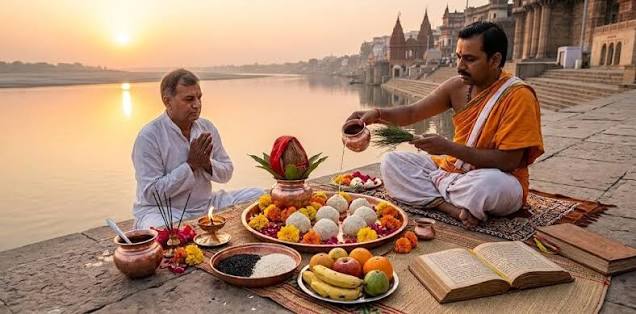
Pind Daan is a Hindu ritual performed for deceased ancestors. During the ceremony, offerings are made as part of prayers for the spiritual welfare and peace of departed family members.
Gaya holds a special place in this tradition. Many Hindus believe that performing Pind Daan here carries particular religious significance..The city becomes especially busy during Pitru Paksha, a period traditionally dedicated to remembering ancestors and performing Shraddha rituals.
Families travel from different parts of India to perform these ceremonies at places such as Vishnupad Temple, the Falgu River ghats and other sacred sites associated with ancestral rites..
The Story of Lord Rama and Goddess Sita in Gaya
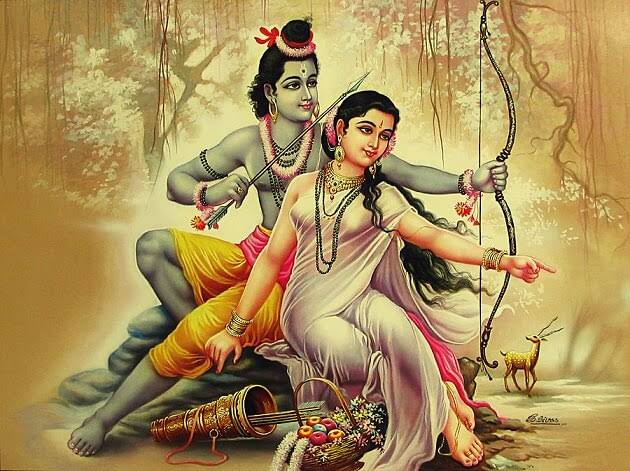
Another popular story associated with Gaya comes from the Ramayana tradition.
According to a widely told account, Lord Rama visited Gaya to perform ancestral rites for his father, King Dasharatha. A related local tradition describes Goddess Sita performing Pind Daan for Dasharatha near the Falgu River..In this account, Sita's act demonstrates the importance of fulfilling one's duties towards departed family members. The story is closely connected with the religious traditions observed along the Falgu River..Although details differ across retellings, the story continues to be an important part of Gaya's spiritual identity..
Why Is the Falgu River Sacred?
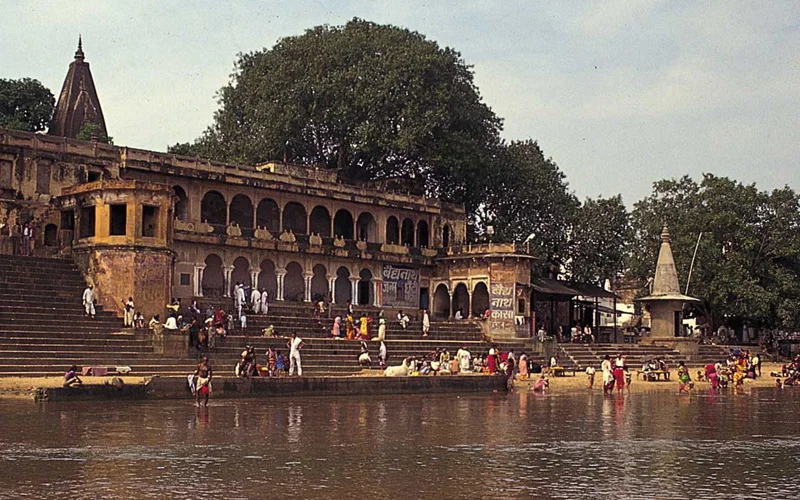
The Falgu River is one of the major pilgrimage sites associated with Gaya's ancestral rituals..Its ghats are used for religious ceremonies, including Pind Daan and Shraddha. The river is also linked to the popular story of Goddess Sita and the ancestral rites performed for King Dasharatha.
For pilgrims, the Falgu River is not merely a geographical landmark. It is an important part of the sacred landscape in which families honour their ancestors.
Gaya vs Haridwar: Are Their Religious Significances Different?
Both Gaya and Haridwar are important Hindu pilgrimage destinations, but their principal religious associations differ..Haridwar is particularly associated with the sacred River Ganga, holy bathing, worship and the traditions surrounding Kumbh Mela..Gaya is especially associated with Pind Daan, Shraddha and rituals performed for deceased ancestors.Both places have connections with spiritual purification and liberation in Hindu belief. However, people often choose between them according to the religious purpose of their pilgrimage..
Which Places Should You Visit in Gaya?
If you are planning a spiritual visit to Gaya, consider these important sites:-
- Vishnupad Temple: Associated with Lord Vishnu and one of the city's principal pilgrimage destinations.
- Falgu River: An important location for Pind Daan and ancestral rites.
- Akshayavat: A sacred banyan tree associated with religious traditions surrounding ancestors.
- Mangla Gauri Temple: A revered temple dedicated to Goddess Shakti.
- Pretshila Hill: A pilgrimage site associated with ancestral rituals.
Visitors should confirm local ritual arrangements and temple timings before travelling.
The Spiritual Meaning Behind Gaya's Story
The mythology of Gaya brings together devotion, sacrifice and the responsibility of remembering one's ancestors..The story of Gayasura explains the sacred character attributed to this land, while the traditions surrounding Lord Vishnu, Lord Rama and Goddess Sita reinforce its importance in Hindu religious life..For many families, visiting Gaya is not simply a pilgrimage. It is an opportunity to honour their ancestors, continue family traditions and pray for the peace and spiritual welfare of those who came before them..