


Many Hindu families worship Lord Shiva at home, yet one question often creates confusion: Is it really okay to keep a Shivling in a home temple?
Some folks think that a Shivling is only meant to be worshipped in a temple, while others believe that having one at home is okay, but you have to follow strict rules and worship it every day. All these different opinions can be really confusing, especially when you're getting mixed messages from family members, priests, and even social media - it's enough to make anyone feel a bit anxious about doing the right thing.
But the tradition is more diverse than these simple rules suggest. To understand the question, it helps to know what the Shivling represents, how it is worshipped and why different families follow different practices.
What Does a Shivling Actually Represent?
A Shivling, also written as Shiva Lingam, is a sacred representation of Lord Shiva in Hinduism. The Sanskrit word linga can mean a sign, mark or symbol.
For many devotees, the Shivling represents Shiva's limitless and formless nature. It is also associated with the unity of Shiva and Shakti, the divine principles understood in Shaiva traditions as consciousness and creative power.
In Hindu mythology, there's a famous story about Brahma and Vishnu trying to find the start and end of a huge pillar of light. But no matter how hard they looked, they just couldn't find its boundaries. This story is often seen as a way of showing just how amazing and powerful Shiva is. That's why the Shivling is so special - it's not just any ordinary thing. People use it as a focus for their devotion, prayers, and worship rituals. It's a really important part of their spiritual practice and a way for them to connect with Shiva.
Can You Keep a Shivling in Your Home?
Many families who follow Hinduism have a special place in their home for a Shivling, which they worship and care for. This is a common practice in many Hindu households, but the way they worship can vary depending on their community and traditions.
Some families keep things simple and offer water and bel leaves, while others go all out with an elaborate abhishek, chanting mantras and following the guidance of their family priest to make the experience even more special.
You don't have to worry if you've heard that having a Shivling at home can cause trouble if you miss a certain ritual. These claims aren't always true for every Hindu family. The thing is, different families have their own ways of doing things, and what works for one might not work for another. So, it's not like there's one set of rules that applies to everyone.
When it comes to worshiping a Shivling, there's a big difference between one that's been officially blessed and one that's just used for personal prayer. If you want to know the proper way to worship, it's best to talk to a priest who's familiar with the tradition - they can explain the rules and help you understand what's expected.
Why Do Some People Recommend a Small Shivling?
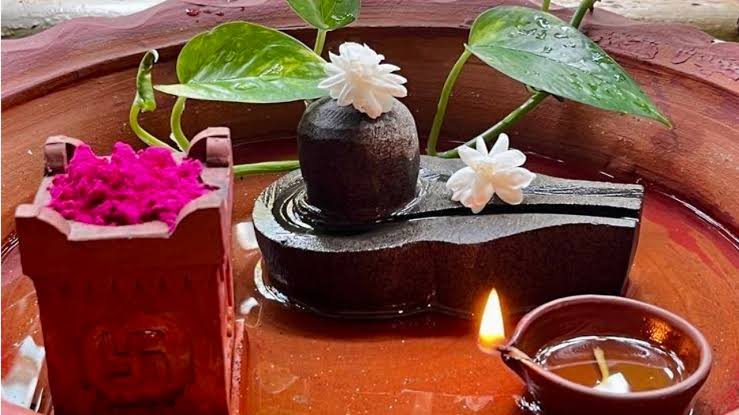
In many contemporary household-worship guides, a small Shivling is recommended because it is easier to maintain and worship regularly.
In some traditions, there's a difference between a Shivling that's meant for a home shrine and one that's installed in a temple with a special ceremony. When a Shivling is put in a temple, it often involves certain rituals and responsibilities that aren't part of regular worship at home. This special installation ceremony can make the Shivling in the temple distinct from one that's simply placed in a home shrine. The rules and rituals for temple installations can be quite specific, setting them apart from everyday home worship.
When it comes to Hindu households, there's no one-size-fits-all rule for everything. The right way to do things really depends on the family's traditions and how they worship. For example, the way a Shivling is set up can vary from one household to another, and that affects how they practice their faith. So, what works for one family may not work for another, and that's okay. Each family has its own unique way of worshiping and connecting with their beliefs.
The practical lesson is simple: understand the custom you are following rather than buying an object because a video claims that one particular size guarantees good fortune.
Why Is Water Offered to the Shivling?
When people want to honor Shiva, they often do something called *Jalabhishek*. This is a special ritual where they carefully pour water over the Shivling, usually while saying prayers or repeating Shiva's name. It's a way for devotees to show their respect and connect with their faith.
In Hindu worship, water plays a big role. People often give offerings like bel leaves and flowers, depending on what they usually do.
When it comes to worship, people use different things like milk and honey for special prayers. What you offer can vary depending on where you are, so it's a good idea to follow what the temple says when you're praying there. This kind of worship is a way to show respect and love. But we shouldn't think it's a magic solution that can change our luck or fix all our problems - it's just a way to show our devotion.
Do You Have to Worship a Shivling Every Day?
What's one thing that always seems to spark a lot of discussion?
In some Shaiva traditions, people worship a Shivling regularly, but only if it's been properly set up. For others, worship at home is simpler and depends on what works best for their family.
That distinction matters. A rule followed by a particular temple or religious lineage should not automatically be applied to every household.
When setting up a Shivling, it's a good idea to talk to a priest first to understand what's expected of you. If you already worship Shiva in your own way, whether that's through a picture, a statue, prayer, or visiting a temple, you can just keep doing what you're doing. The key is to be sincere in your devotion, and not let fear take over - missing a ritual here and there doesn't mean bad things will happen. Just be genuine in your worship and don't worry too much about making mistakes.
Common Shivling Beliefs: What Should You Know?
Here are three points worth remembering:-
- Belief: A Shivling can never be kept at home.
Context: Many Hindu households worship Shivlings. Practices depend on the form of worship and the tradition followed.
- Belief: Every household must follow exactly the same rituals.
Context: Hindu worship varies across regions, communities and Shaiva traditions.
- Belief: Missing a ritual automatically brings bad luck.
Context: This is a religious claim that should not be presented as an established fact or universal rule.
These distinctions are important because spiritual information online often mixes local customs, personal interpretations and formal religious instructions without explaining which is which.
The Real Meaning of Worship
The Shivling is really important to a lot of people millions of them, in fact. Some people show their devotion by setting up a special shrine in their home and doing rituals all the time. Others just like to keep things simple, like offering some water or saying a quick prayer, or maybe just visiting a temple where Shiva is worshipped.
When exploring these practices, it's really important to take a thoughtful approach. We should try to understand what they mean and respect the traditions behind them. It's also crucial that we don't scare people with claims that aren't backed up by solid evidence. By being mindful of this, we can create a safe and respectful space for everyone involved.