


Delhi is known today for its busy markets, modern buildings, metro network and historic monuments. But beneath this modern city lies a fascinating past. Delhi was not built in a single phase or by one ruler. Over centuries, different kings and emperors established new fortified cities in and around the region, leaving behind monuments that still tell stories of their time.This is why Delhi is popularly known as the City of Seven Cities. However, some historical accounts identify eight major cities, including New Delhi. The exact count varies depending on which settlements and historical periods are included..
How Did Delhi Become a City of Many Cities?
Delhi's history stretches back many centuries. According to the traditional account associated with the Mahabharata, the region was home to Indraprastha, the city linked to the Pandavas. While this connection is an important part of India's epic tradition, the details of ancient Indraprastha are not all established by archaeological evidence..Over time, Delhi became an important centre of political power because of its strategic location in northern India. Different rulers established capitals, built fortifications and expanded settlements to strengthen their control over the region..When a new dynasty came to power, its ruler sometimes chose to establish a new fortified capital rather than govern entirely from an older one. These changes gradually created the historic landscape that people now associate with Delhi's seven cities.
The Historic Cities That Shaped Delhi
1. Lal Kot and Qila Rai Pithora
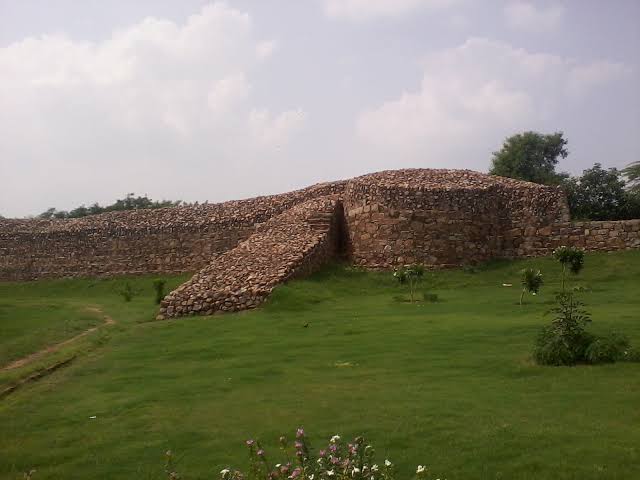
Lal Kot is associated with the Tomara rulers and is generally considered among the earliest known fortified settlements in medieval Delhi. Anangpal II is traditionally credited with developing its fortifications.Later, Prithviraj Chauhan and the Chauhan rulers are associated with the expansion of the fortified city known as Qila Rai Pithora. Remains of these historic fortifications can still be found around the Mehrauli area..
2. Siri
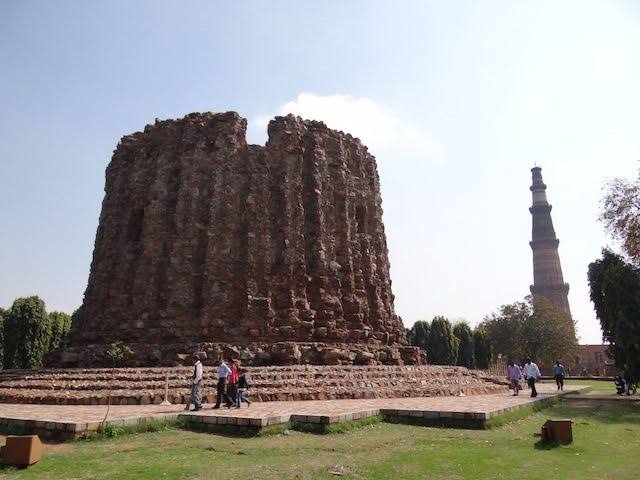
Siri was established by the Delhi Sultanate ruler Alauddin Khalji in the late 13th and early 14th centuries. It was a fortified city built during a period when Delhi faced military threats..
Alauddin Khalji developed Siri as an important centre of his administration and military power. Although much of the original city has disappeared, the area around Siri still forms part of Delhi's historical landscape..
3. Tughlaqabad
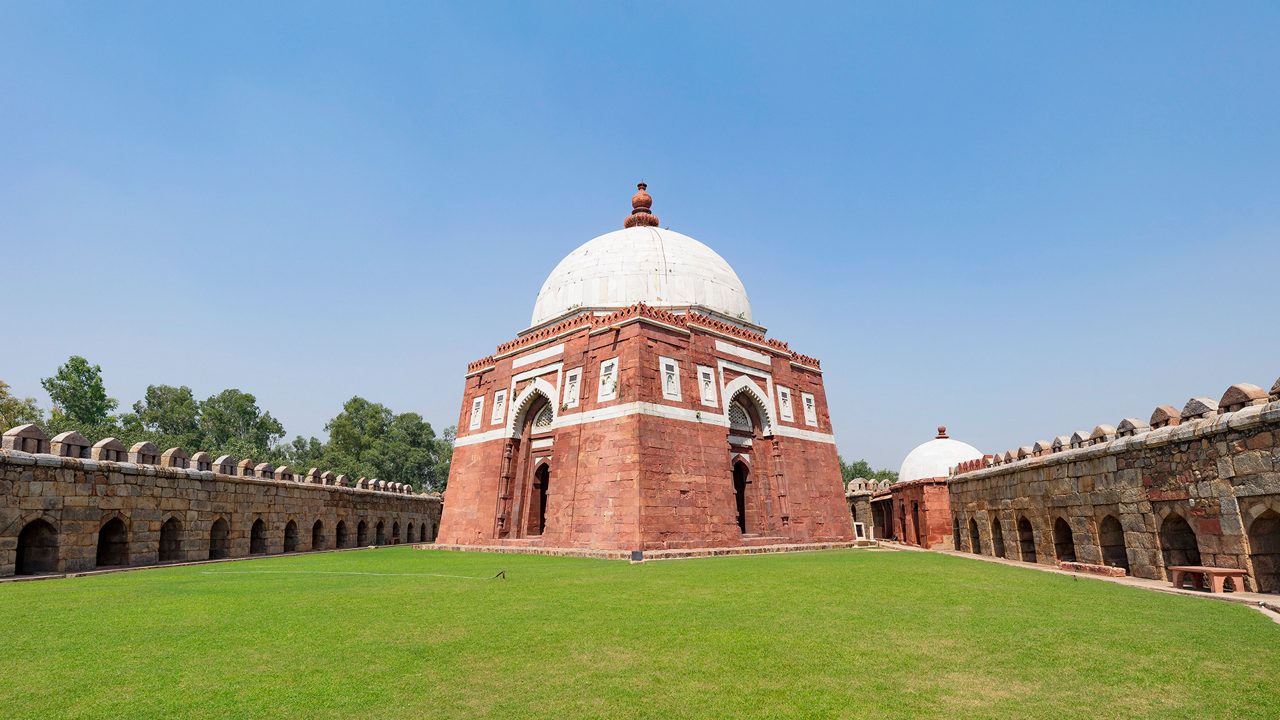
Tughlaqabad was founded by Ghiyasuddin Tughlaq in the 14th century. Its massive stone fortifications reflect the military priorities of the period.The ruins of Tughlaqabad Fort remain one of Delhi's most striking historical sites. Its enormous walls and imposing remains offer a glimpse into the scale of medieval fortress construction..
4. Jahanpanah
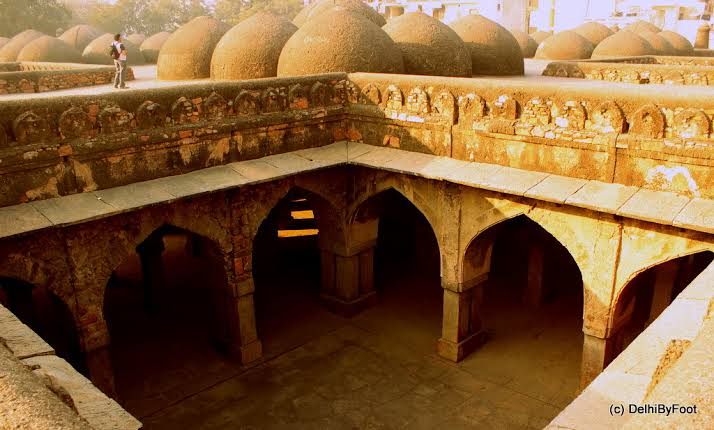
Jahanpanah was developed by Muhammad bin Tughlaq in the 14th century. The project sought to connect and protect existing settlements through an expanded fortified urban area..
Today, only scattered remains of this historic city survive. Its story reflects the ambitions of medieval rulers to reorganise and secure Delhi's growing urban landscape..
5. Firozabad
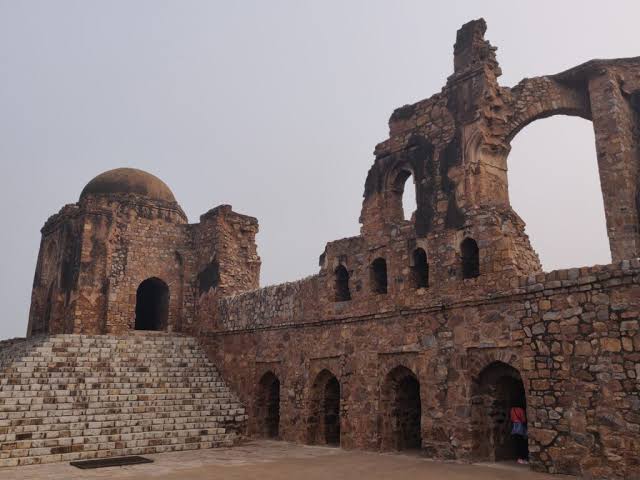
Firozabad was established by Firoz Shah Tughlaq during the 14th century. Its historic remains are associated with the area around Firoz Shah Kotla, close to present-day central Delhi.Firoz Shah Tughlaq was known for his building projects, and the city included palaces, mosques and other structures. The surviving complex gives visitors a sense of the architecture and political life of his reign..
6. Shergarh and the City Around Purana Qila
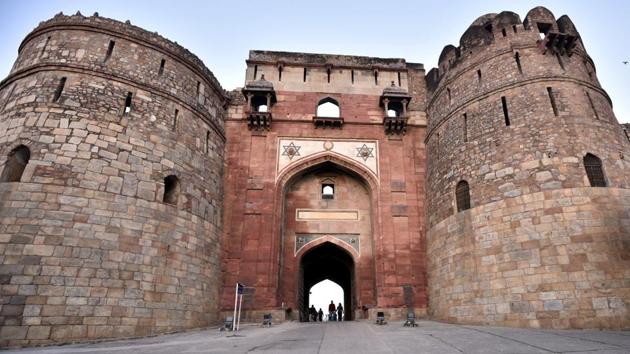
The area around Purana Qila is associated with the historic city-building projects of the Mughal emperor Humayun and the Afghan ruler Sher Shah Suri.Humayun developed Dinpanah, while Sher Shah is associated with the construction and expansion of the fortified city commonly called Shergarh. The precise relationship between these building projects is complex, but Purana Qila remains an important reminder of the political struggles of the 16th century..
7. Shahjahanabad
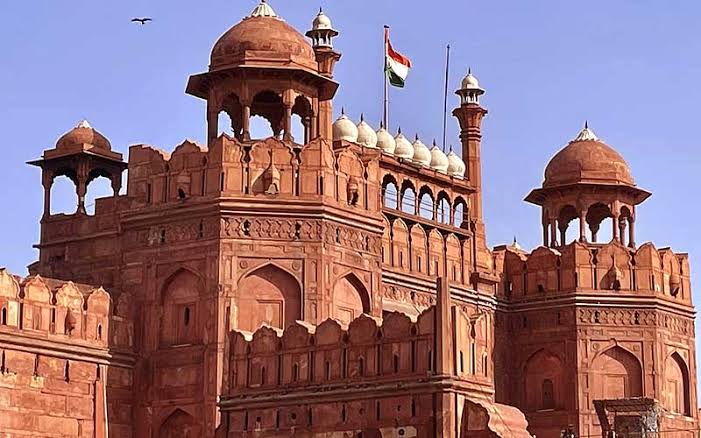
One of the most famous historic cities of Delhi is Shahjahanabad, established by Mughal emperor Shah Jahan in the 17th century. Its construction began in the 1630s, and the new imperial city took shape around the Red Fort and Jama Masjid..Shahjahanabad included markets, residential neighbourhoods, grand buildings and busy streets. Much of its historic character survives in today's Old Delhi, particularly around Chandni Chowk and the surrounding lanes..
What About New Delhi?
New Delhi is often included when official accounts describe the major historic cities of the capital. The British announced the transfer of their Indian imperial capital from Calcutta to Delhi in 1911. The new administrative city was subsequently designed and developed, with major buildings including Rashtrapati Bhavan and the surrounding government district..New Delhi became the capital of independent India after 1947 and continues to serve as the country's seat of government..
Why Did Rulers Keep Building New Cities?
There was no single reason behind the development of successive cities in Delhi. New rulers wanted to establish their own centres of power, strengthen their defences and create impressive capitals that reflected their authority.Military security, administration, access to water, population growth and changing political priorities also influenced where cities developed. Building a new capital could help a ruler establish a fresh identity while leaving a lasting architectural legacy..
Can You Still See the Remains of These Historic Cities?
Yes. Delhi's past is visible in its forts, archaeological sites, monuments and old neighbourhoods. Places such as Qila Rai Pithora's surviving fortifications, Tughlaqabad Fort, Firoz Shah Kotla, Purana Qila, the Red Fort and the historic lanes of Shahjahanabad help visitors explore different periods of the city's development..These places are not merely tourist attractions. They are physical reminders of the rulers, communities and changing political systems that shaped the region over centuries..
The Real Story Behind Delhi's Seven Cities
Delhi's history cannot be explained through one king, one dynasty or one monument. Its identity developed through layers of settlements and successive centres of power. That is what makes the City of Seven Cities such an interesting way to understand India's capital.The commonly used number seven is a historical convention rather than a universally fixed count. Some accounts identify additional cities or settlements, depending on how they classify Delhi's different phases of development..From the early fortified settlements associated with the Tomaras and Chauhans to the Mughal capital of Shahjahanabad and the planned city of New Delhi, each period added another chapter to Delhi's long history..