


What if a remote Himalayan lake held the remains of people who lived nearly 1,200 years ago—and scientific tests later revealed that some of the other people found there came from a completely different part of the world?
Roopkund Lake, nestled in the mountains of Uttarakhand, is a place shrouded in mystery - it's also known as Skeleton Lake. The reason behind this name is the hundreds of human skeletons found scattered all over its shores. This lake is quite high up, at an altitude of around 5,029 metres, and its small, glacial waters have become famous for a rather eerie reason.People had been curious for years about the identities of these individuals, the circumstances of their deaths, and what led to their remains being discovered together in such a secluded spot. It wasn't until 2019 that a significant scientific study shed some light on the mystery, but even then, some questions remained unanswered.
When Were the Skeletons Discovered?
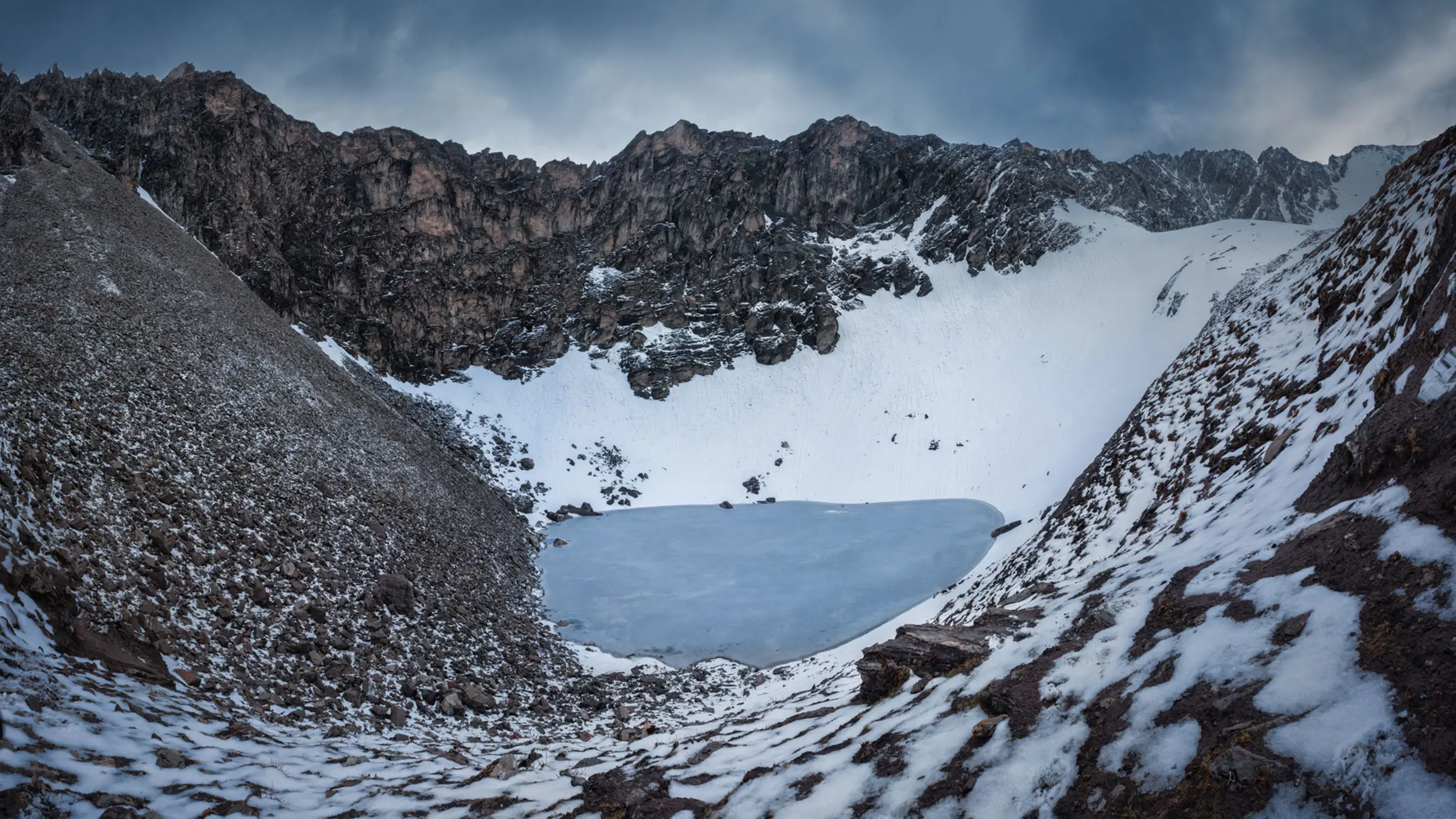
The bones at Roopkund were first found by a forest ranger named H.K. Madhwal in 1942. This discovery was written about in a historical research paper that was published in the *Indian Journal of History of Science* in 2024. Before this, not many people knew about the skeletal remains at Roopkund.
The lake's remote location in the Himalayas made the discovery really stand out. It's not just that - there were a lot of human remains found around the lake. The harsh climate, with its heavy snow and ice, plus the tough terrain, made it really hard for investigators to do their job. They had to deal with all these challenges to learn more about the site. The seasonal changes in the weather didn't make things any easier, but it was worth it to uncover the secrets of this mysterious place.
People started to wonder about the skeletons and all sorts of theories came up. Some thought they might have been soldiers, while others believed they could have been traders, travellers, or pilgrims who met a terrible end.But identifying the people required more than stories. Researchers needed to examine the bones, establish their ages and study their biological origins.
The Legend of a King and the Goddess Nanda Devi
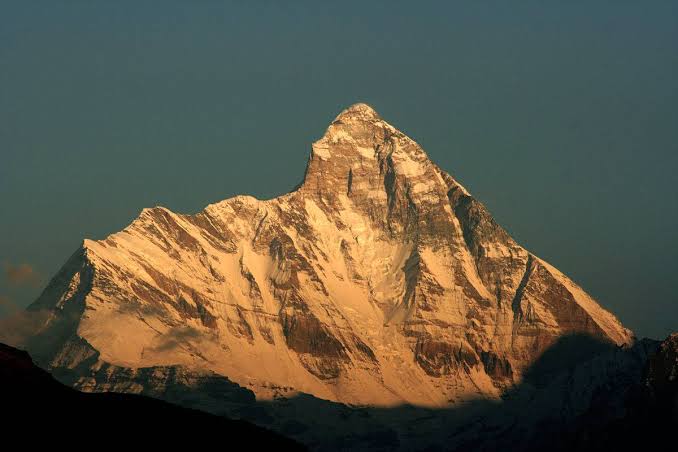
One local legend connects the skeletons to a pilgrimage associated with Nanda Devi, a revered mountain goddess in Uttarakhand.
One legend says that a king, his queen, and all their people went to a special place that was considered sacred. But they didn't behave themselves, and this made the goddess very angry. As a punishment, she sent a terrible storm with huge hailstones that were deadly.
The story of Roopkund's skeletons is closely tied to the Nanda Devi Raj Jat pilgrimage, a significant religious event that happens every few years. This pilgrimage is a big deal, and the area is connected to it in a major way. The legend has become really well-known as a way to explain the skeletons found at Roopkund. It's a pretty famous story, and people often talk about it when they think about the skeletons in the area.
The story about the king and the goddess is more of a local legend than a fact-based history. It hasn't been proven that all the remains found at Roopkund actually belonged to the king's people, like the legend says. Scientists still don't have all the answers about who those people really were.The distinction matters: folklore can preserve cultural memories, but archaeological and scientific evidence is needed to establish what happened to the people themselves.
The 2019 DNA Study Changed the Mystery
In August 2019, researchers published a study in *Nature Communications* examining ancient DNA from 38 individuals whose remains were recovered from Roopkund.The idea that everyone met their end at the same time, in some kind of disaster, has been a common belief, but new discoveries are calling that into question. It seems that things might not have happened that way after all.
The researchers identified three broad ancestry groups among the sampled individuals:
- 23 individuals had roots that connected them to people living in South Asia today.
- 14 individuals had roots that were most closely tied to the eastern Mediterranean area.
- One person had roots connected to people from Southeast Asia.
Radiocarbon dating produced another important finding. The South Asian-related remains dated broadly to around 800 CE, while the other individuals dated to around 1800 CE.
In other words, the remains represented people who lived and died during different periods, separated by approximately a thousand years.
The finding added a new layer to the puzzle. It turned out that Roopkund wasn't just a mass burial site for a single group of travelers who met their end on the same day. Instead, it seemed to be something more intricate. The truth about what happened at Roopkund was getting more complicated by the minute.
Why Were People from the Mediterranean in the Himalayas?
The discovery of individuals with eastern Mediterranean ancestry was one of the study's most unexpected results.
The people found in Roopkund had ancestors from places like Greece, near the Mediterranean Sea. But even with this information, it's still a mystery who these people really were, what made them travel all the way to the Himalayas, and why they ended up in Roopkund. We can only guess about their lives and what brought them to this remote place.
The team looked at various options, but they just couldn't find a clear answer based on the information they had. They had to leave some questions unanswered, at least for the time being.
We can't say for sure what these people did for a living or where they came from. Maybe they were soldiers, or maybe they were merchants or pilgrims - we just don't know. It's also possible they were related to people from an ancient empire, but we can't confirm that either. The truth is, their story is still a mystery that historians haven't been able to figure out yet.
The findings demonstrate how modern scientific methods can reveal unexpected details about the past without necessarily solving every mystery.
Did a Hailstorm Kill Everyone at Roopkund?
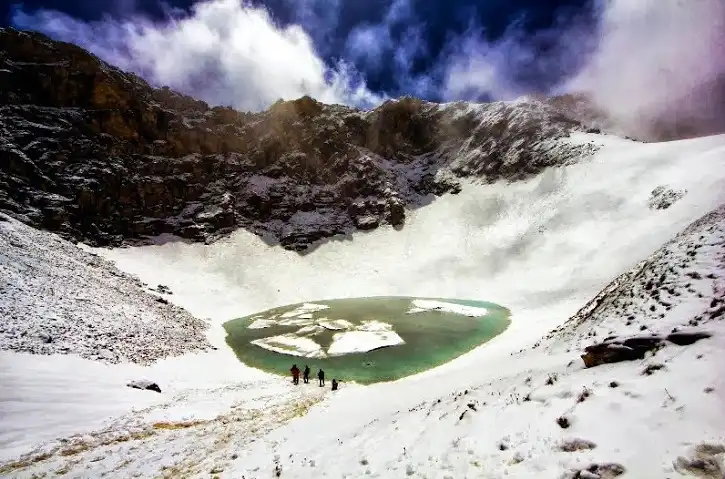
A really bad hailstorm might have killed some of the people found by the lake. This area is known for its crazy mountain weather. When scientists looked at the remains, they found injuries on some of the bodies that could have been caused by big hailstones hitting them. The weather in this region can be really rough, and it's possible that a storm like this could have been deadly. Some of the injuries they found were consistent with being hit by large hail, which is a pretty scary thought.
However, the evidence does not prove that a single hailstorm killed everyone whose remains were found there.The different dates of the skeletons establish that the remains accumulated during multiple periods. Different groups may have died under different circumstances.The team didn't find any signs of bacterial infections in the samples they looked at, but they did say that just because they didn't find any evidence, it doesn't necessarily mean disease wasn't present.The precise circumstances surrounding the deaths of the different individuals remain uncertain.
What Makes Roopkund Important to Indian History?
Roopkund is significant because it connects several areas of historical research: ancient migration, religious pilgrimage, human genetics and the challenges of living in high-altitude environments.The findings also demonstrate why historical mysteries should not be explained using a single theory before the evidence is examined.
The lake has long been tied to local legends and myths, with stories of its significance passed down through generations. But now, science has shed new light on its history, showing that the people whose remains have been found there came from different backgrounds and lived at different times. This discovery has added a new layer to our understanding of the lake's past, one that highlights the complex and varied history of the people who lived and died there.
Don't get these two things mixed up. The stories and legends that have been passed down are a big part of the area's history and culture. On the other hand, the scientific research provides facts about where some people originally came from and roughly how old they are.
The Mystery That Remains Unsolved
The mystery of Roopkund Lake has been partly solved, but it has also raised more questions. After studying the skeletons found there, scientists have figured out that they didn't all come from the same group of people or time period. But what's still not clear is why people from different walks of life ended up at this isolated lake in the Himalayas. It's a puzzle that continues to intrigue researchers. What drove these individuals to this remote spot, and what's the story behind their presence there? The lake has given up some of its secrets, but there's still much to be uncovered.
Who were the Mediterranean-related individuals? What brought them to the region around the eighteenth century? And what exactly happened to the different groups whose remains were found near the water?We need to dig deeper into history, archaeology, and science to find the answers to these questions.
What we can learn from the past: Roopkund is more than just a tragic story of hundreds of people who died in a single, baffling disaster. A study released in 2019 showed that the remains found at the lake came from people of different backgrounds and time periods, which makes it one of the most fascinating unsolved archaeological puzzles in the Indian Himalayas.
When it comes to figuring out what really happened, science and local legends don't always see eye to eye. The truth about how some people died and who was involved is still a mystery, and we can't say for sure what the facts are.