


India’s first passenger train did not originate from Delhi or Kolkata cities that later became major hubs for railway activity. Instead, on April 16, 1853, it traveled from Bori Bunder station (Bombay) to Thane in Maharashtra.
Why was this specific route chosen?
Because The commercial ambitions of British India, the development of the port of Bombay, and the strategic plans of early railway companies.
The Historic Journey of 1853
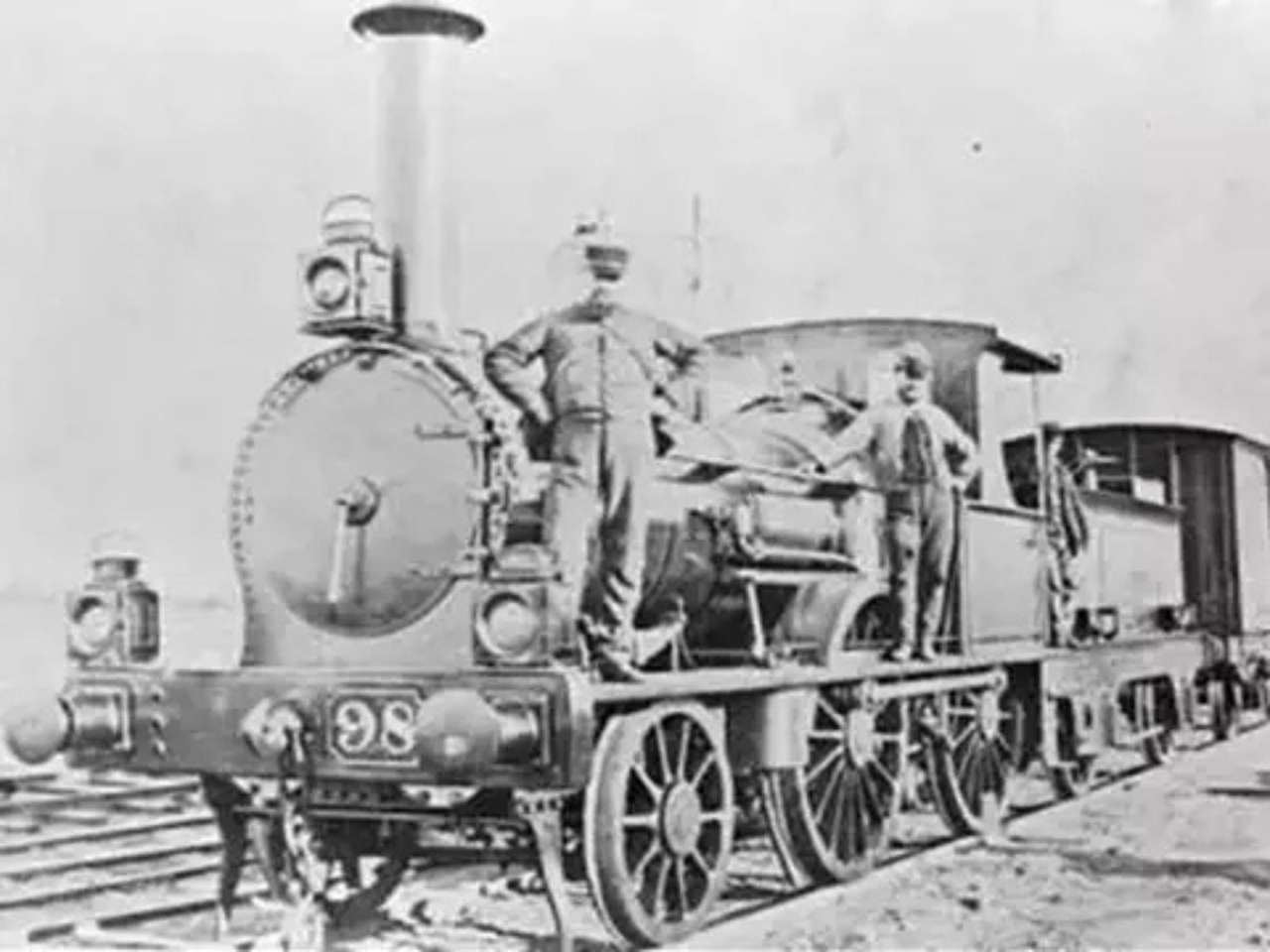
According to the Press Information Bureau, the first passenger train covered a distance of approximately 34 kilometers, carrying about 400 invited passengers across 14 carriages. The inaugural event was marked by a 21-gun salute.
The train was operated by the Great Indian Peninsula Railway a company established with the objective of developing railway connectivity from Bombay into the Indian hinterland.
Why was Bombay chosen?
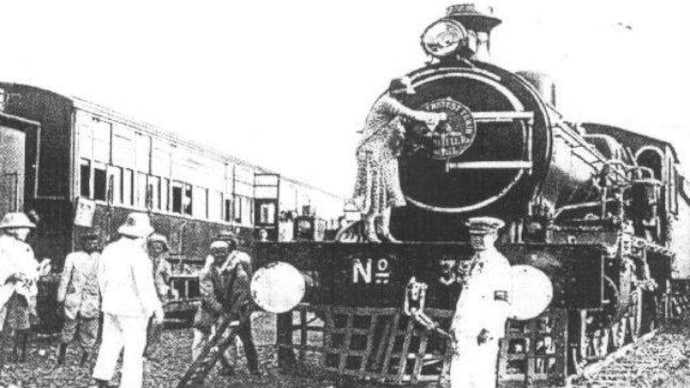
Bombay was a significant port city with ever-expanding commercial ties. The railway provided a means to connect the port to the interior regions, facilitating the movement of both goods and passengers.The proposed railway network was intended to extend beyond Thane Towards Kalyan and further into the country's interior. Consequently, Bombay became a crucial starting point for the railway company’s plans.
It is important to understand that this choice was not based solely on which Indian city was the largest. Early railway development was shaped by a combination of factors, Commercial opportunity, including the interests of private railway companies, government support, and various engineering challenges.
What about Kolkata?
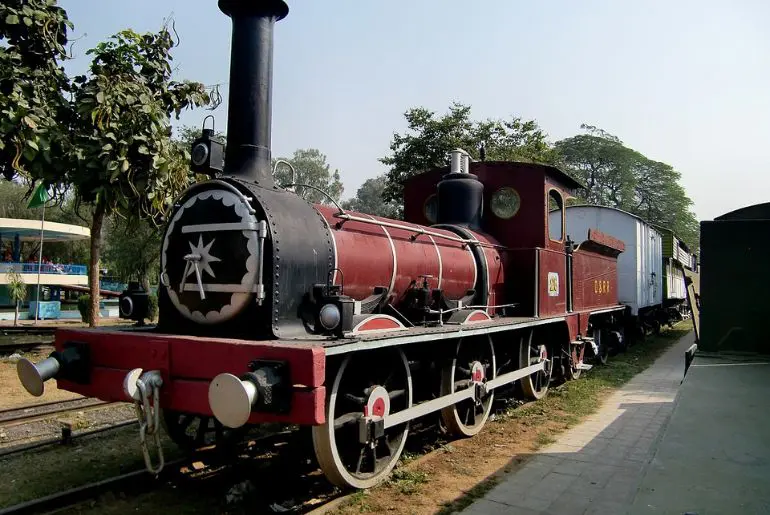
Then known as Calcutta was not far behind in the early history of Indian railways. On August 15, 1854, the 'East Indian Railway' launched a passenger route between Howrah and Hooghly.
This means that while Bombay received its first passenger railway service in 1853, the eastern region followed suit in 1854.
Interestingly, the very first use of railways in India was not for passenger services. Prior to that, railway lines, including those in Roorkee were used for transporting construction materials. The 1853 service marked the beginning of the country's first major passenger railway network.
From a Short Route to a 'Railway Nation'
What began as a journey of approximately 34km eventually evolved into a vast railway network, connecting cities, towns, and villages across the length and breadth of India.Although the route of the first train was short, its historical significance was immense. It ushered in a new chapter for transportation, commerce, and daily travel across the subcontinent.
Source - Press Information Bureau, Government of India: 'From Steam to Speed: The Ever-Evolving Journey of the Railways' — https://www.pib.gov.in/PressNoteDetails.aspx?ModuleId=3&NoteId=158187&lang=8®=20
- National Rail Museum, Indian Railways: 'A History of Indian Railways' — https://artsandculture.google.com/story/a-history-of-indian-railways-national-rail-museum/cAVh7RwiKiTtKg?hl=en