


From Ancient Coins to UPI: The Fascinating History of Money in India
Have you ever thought about how people in India bought things before the rupee was around? I mean, how did they get the things they needed? Picture this: you're at a store, wanting to buy some groceries, but you don't have any cash, no card, and no way to pay online. A long time ago, people didn't use money like we do now - instead, they traded things they had for things they needed. It's crazy to think about how far we've come, right? Now we can buy almost anything with just a tap on our phone. But what's the story behind how money in India changed from old coins to digital payments?
Before Money, There Was the Barter System
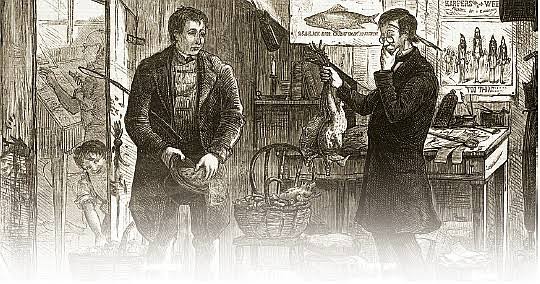
A long time ago, people didn't use money like we do now. Instead, they would trade things they had for things they needed. For example, a farmer might give someone grain and get clothes in return. Someone with cows could trade milk or cheese for tools they needed. This way of trading was called the "barter system". It was pretty simple, but it worked for a while. People would just exchange things they had for things they wanted, without using any money.
Just like the trading partnerships we see on social media nowadays.
This trade system had a big problem - both people had to want what the other had. For example, let's say you have a lot of wheat, but you really need a new pair of shoes. The problem is, the shoemaker might not need wheat, he might need milk instead. So, how do you make a trade? It's not easy. You can't just give him wheat if he needs milk. This made it really hard for people to get what they needed.
Because of this, the need arose for a medium that would allow people to buy and sell goods more easily.
The Advent of Coins
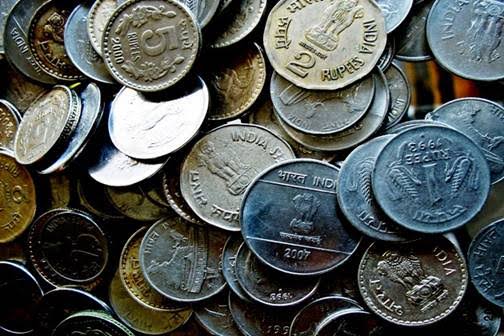
The way people traded changed a lot when metal coins came into use. In India, some of the first coins used were called 'punch-marked' coins, which date back to around the 6th century BCE. These coins had different marks or symbols stamped on them. As kingdoms and empires grew, their rulers started making coins to help trade and show their power. Coins made it easier for people to buy and sell things, and they helped businesses grow in different areas. This was a big step forward, and it's interesting to see how something as simple as a coin could have such a big impact on the way people lived and worked.
The word "rupee" has been around for a long time. A king named Sher Shah Suri, who ruled some parts of India back in the 16th century, is said to have created a silver coin called the "rupiya". Over time, this coin became the basis for the currency system used in India today.
Click for more-
Things to Do in Tirthan Valley: River Views, Forest Trails and Villages
The Advent of Paper Currency in India
Carrying large quantities of metal coins could be inconvenient, especially for merchants engaged in significant transactions. Paper currency offered a new alternative.
In the past, some private banks in India were allowed to print their own paper money. But then the government stepped in and took control of making money. The Paper Currency Act of 1861 was a big change - it gave the government the power to make currency notes, and that's how it all started. Before that, it was a bit confusing with different banks making their own notes. The government's move helped to bring some order to the system, and it's been that way ever since.
After India gained independence in 1947, it started to create its own unique identity, and this was reflected in its currency. The first one-rupee note that was truly Indian was issued in 1949. Over time, the face of Mahatma Gandhi became a familiar feature on Indian banknotes. In 1996, the 'Mahatma Gandhi Series' was launched, which further cemented Gandhi's image on Indian currency. This series has since become an integral part of India's financial landscape.
In 2010, India officially adopted the rupee symbol (₹), giving its currency a unique and modern identity.
Demonetization and the Evolving Rupee
In November 2016, the old ₹500 and ₹1,000 notes were withdrawn from circulation. They were replaced by new notes, including new ₹500 and ₹2,000 denominations.
In 2023, something big happened with money in India - the ₹2,000 note was taken out of circulation. But here's the thing, the Reserve Bank of India said it's still okay to use them. This shows how changes in currency rules can affect us in our daily lives, like when we buy things, save money, or deal with business payments.
From Wallets to Smartphones
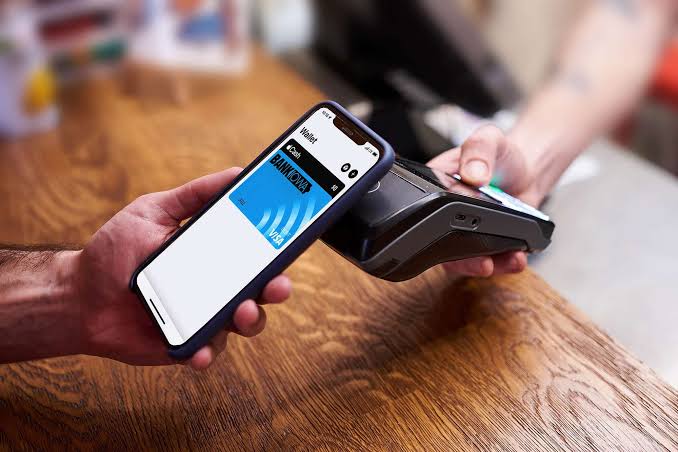
Today, the concept of money is no longer limited to coins and paper currency. Debit cards, internet banking, mobile wallets, and the Unified Payments Interface (UPI) have completely transformed the way we conduct our everyday transactions.
People can now easily send money straight from their bank accounts using their phones, thanks to a system called UPI that started in 2016. This makes lots of things faster and easier, like paying someone on the street, dividing a bill at a restaurant, or buying things online.
In India, even though people still use cash a lot, digital payments have become a big part of everyday life.
A Story Still in the Making
India's history with money is a story of how its people's needs have changed over time. At first, people used to trade things they had for things they needed, like food or clothes. Then, coins were introduced, making it easier to buy and sell things. Later, paper money came into the picture, and now we have digital payments, which have become a big part of our daily lives.
When you use your phone to pay for something, like a cup of tea, it's easy to forget that this way of paying has a really long history. It all started thousands of years ago, and it's come a long way since then. From old coins to new QR codes, the way we pay for things has changed a lot over time. Next time you scan a code to buy something, just think about how far we've come.
Reliable Sources: Reserve Bank of India (RBI), National Museum, India.