


Have you ever received a call from an unknown number and wondered whether it was a genuine person, a telemarketer or a potential scammer? A new telecom feature could make identifying callers easier for mobile users in India..The Department of Telecommunications (DoT) has directed telecom operators to introduce Calling Name Presentation (CNAP) from November 1, 2026, across service areas for 4G and newer mobile networks. The feature is designed to show the caller's registered name alongside the phone number when an incoming call arrives..The move could make unknown calls easier to identify without relying entirely on third-party caller identification apps. However, it is important to understand what the feature will display, how it differs from existing caller ID services and whether it can actually prevent fraud..
What Is Calling Name Presentation (CNAP)?
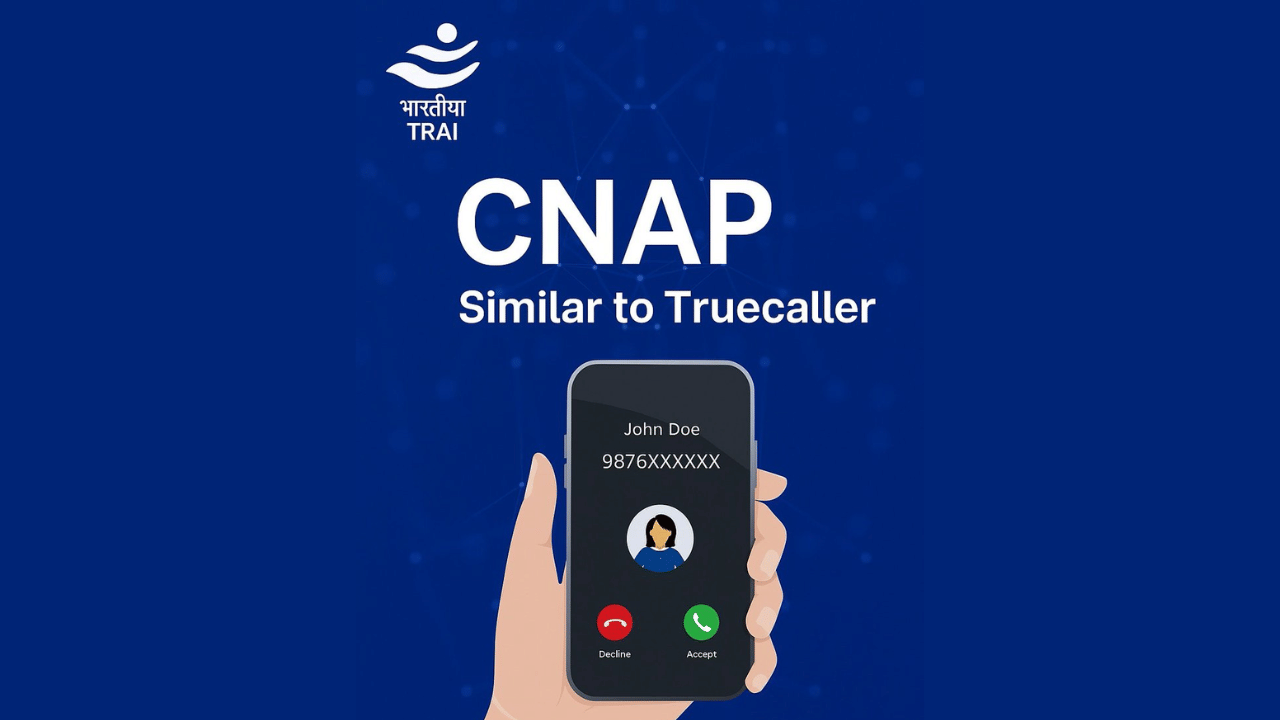
Calling Name Presentation, or CNAP, is a telecom-based caller identification service. Instead of showing only a phone number, the receiving phone can also display the caller's name recorded in the originating telecom operator's subscriber records..For example, if an unknown domestic number calls you, your screen may show the number along with the name associated with that mobile connection..
The service uses information maintained by telecom providers rather than relying solely on names submitted by users to a separate caller ID application..According to reports on the DoT's October 13, 2026, directive, telecom operators must introduce the service across their service areas from November 1 on 4G and newer networks..
How Will the New Caller Name Feature Work?
The feature is intended to work through the telecom network, meaning users will not need to manually look up every unknown number..
Here is what users should know:
1. The caller's name may appear with the number
When someone calls from a number that is not saved in your contacts, the name recorded in the caller's telecom subscriber records is expected to appear alongside the number..
2. Saved contacts will continue to show their stored names
If you have already saved a person's number, the name in your phone's contact list will generally take priority on your screen..
3. The service is intended to be enabled by telecom operators
The rollout is not designed to require every user to sign up separately. Actual availability and presentation may depend on network and device compatibility..
4. International calls may be identified differently
Reports on the directive state that incoming international calls will be labelled “International Call” rather than displaying an ordinary domestic subscriber name..
Will CNAP Replace Truecaller?
CNAP could reduce the need to open a separate app simply to identify an unfamiliar domestic caller. That does not mean it will completely replace services such as Truecaller..Third-party caller ID apps may provide additional features, such as community-based spam reports, business information and user-submitted labels. CNAP's core purpose is different: it presents the name associated with the telecom subscriber record..The two systems may therefore offer different kinds of information.Another important distinction is that the registered subscriber name may not always be the name by which the person is popularly known. Businesses and bulk callers may have additional verification requirements for displaying an approved business name..
Will This Feature Stop Spam and Fraud Calls?
CNAP may help users identify some unknown callers more easily, but it should not be treated as a complete solution to phone scams..A displayed name is not proof that a caller is trustworthy. Fraudsters may use social engineering, impersonation and other methods to deceive people. Even when a name appears familiar, callers can still make false claims or ask for sensitive information..For example, if someone claims to be calling from a bank, the displayed name alone should not be enough to establish that the call is genuine..Never share an OTP, UPI PIN, password or banking credentials during an unsolicited call. If a caller claims to represent a bank, government department or delivery company, independently verify the request through the organisation's official website or customer care channel..CNAP can improve caller identification, but safe calling habits will remain essential..
What About Privacy?
The rollout also raises questions about how caller information is handled..The DoT's framework addresses the use of subscriber records for presenting caller names and includes provisions concerning privacy and the handling of name-number information. Reports on the directive state that telecom operators must maintain appropriate safeguards for this information..The feature is intended to display the name associated with the calling subscriber record, not to provide unrestricted access to a person's private details..Users who have a Calling Line Identification Restriction (CLIR) facility activated are covered by separate provisions under the telecom department's instructions, meaning their caller-name information should not be displayed under the specified conditions..
Will It Work on Every Phone?
The initial rollout is directed at 4G and newer mobile networks. That does not automatically mean every handset will display the information in exactly the same way..Compatibility may depend on the mobile network, device capabilities and implementation by the telecom provider. The department has indicated that extending the service to 2G and 3G networks and public switched telephone networks will be considered separately..If the feature does not appear immediately on a particular phone, users should check with their telecom operator for rollout and compatibility information rather than assuming their device is defective..
What Should Mobile Users Do Before November 1?
There is no need to download an unknown application or share personal information to activate the government-directed service..
Users can take a few sensible precautions:
- Keep their mobile phone software and security updates current.
- Check official announcements from their telecom provider for rollout details.
- Never share OTPs, UPI PINs or passwords with callers.
- Verify financial or government-related requests through official channels.
- Report suspected fraud through appropriate official reporting channels..
The feature is intended to make caller identification easier, not to remove the need for caution..