


Navratri is not just a festival of prayers, fasting and devotion. For many Indian households, it is also a time when everyday eating habits change for nine days. During Navratri fasting, regular grains and several commonly used ingredients are avoided, while foods such as sabudana, kuttu, singhara flour, makhana, fruits, potatoes, dairy and certain nuts become part of the menu. However, a vrat meal can easily become heavy if it relies too much on fried foods, sugar or large portions of potatoes and sabudana. The better approach is to keep the food simple, use moderate amounts of oil or ghee and combine carbohydrate-rich foods with ingredients such as curd, nuts, seeds and fruits where permitted. Nutrition guidance also suggests that the overall combination and cooking method matter when planning a fasting meal. Here are 10 easy Navratri recipes that can bring some variety to the nine days of fasting..
1. Sabudana Khichdi
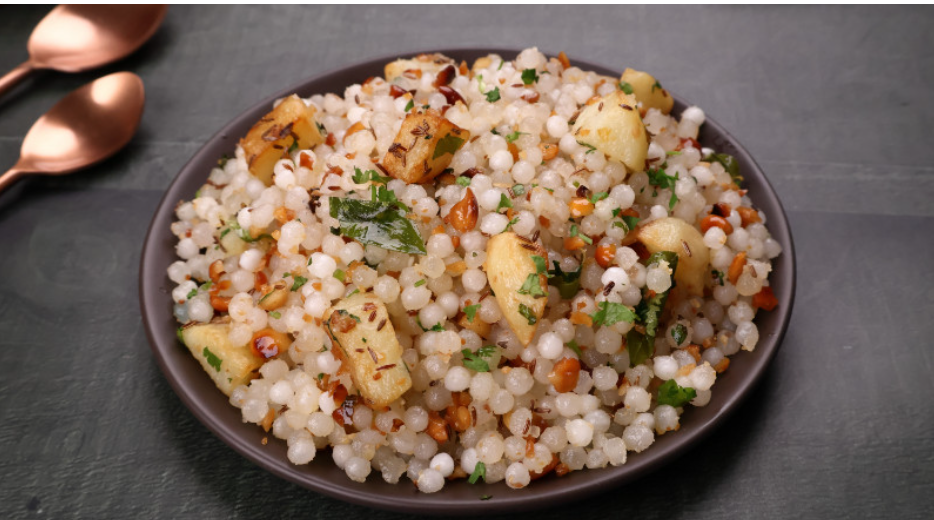
Sabudana khichdi is one of the most popular foods eaten during Navratri fasting. Soaked sabudana can be cooked with roasted peanuts, cumin, green chilli, boiled potato and lemon juice. The key is not to overload it with oil or ghee. For a lighter version, use a moderate amount of peanuts and potato and avoid deep-frying any of the ingredients. Sabudana is primarily a carbohydrate-rich food, so pairing it with curd or another permitted protein-rich accompaniment can make the meal more balanced..
2. Kuttu Cheela
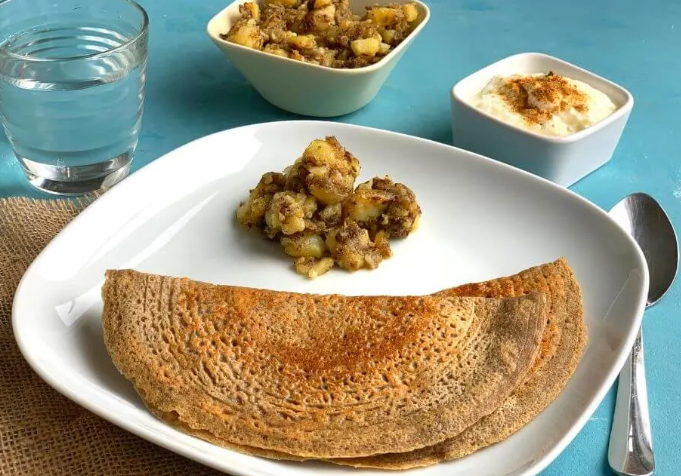
Kuttu, or buckwheat flour, is widely used during fasting. A simple kuttu cheela can be prepared by mixing buckwheat flour with water, chopped green chilli, coriander and permitted spices. Spread the batter on a hot pan and cook with a small amount of oil or ghee. Unlike deep-fried kuttu puris or pakoras, a cheela provides a simpler way to use the same flour. Buckwheat is also known for providing fibre and protein compared with many other common fasting staples..
3. Singhara Roti
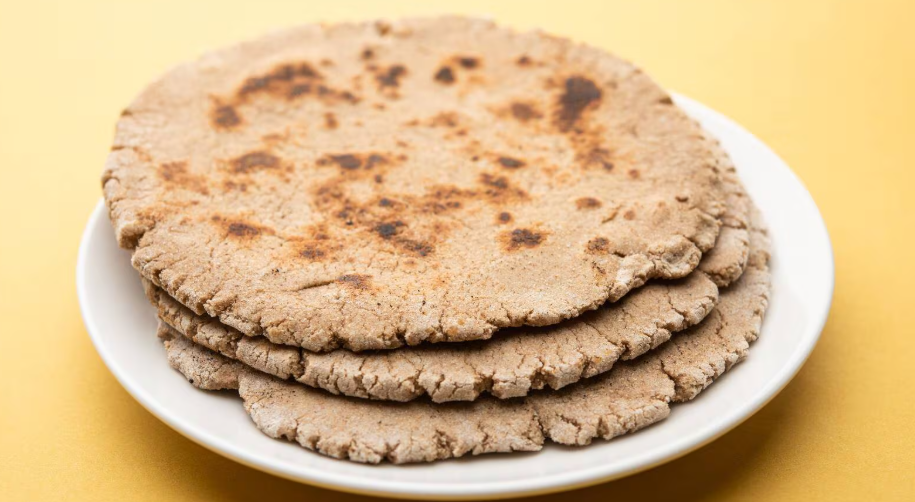
Singhara, or water chestnut flour, is another common fasting ingredient. Mix singhara flour with boiled potato or suitable binding ingredients, add sendha namak and knead into a soft dough. Roll carefully and cook the roti on a tawa with minimal ghee. It can be served with plain curd or a vrat-friendly vegetable preparation..
4. Roasted Makhana
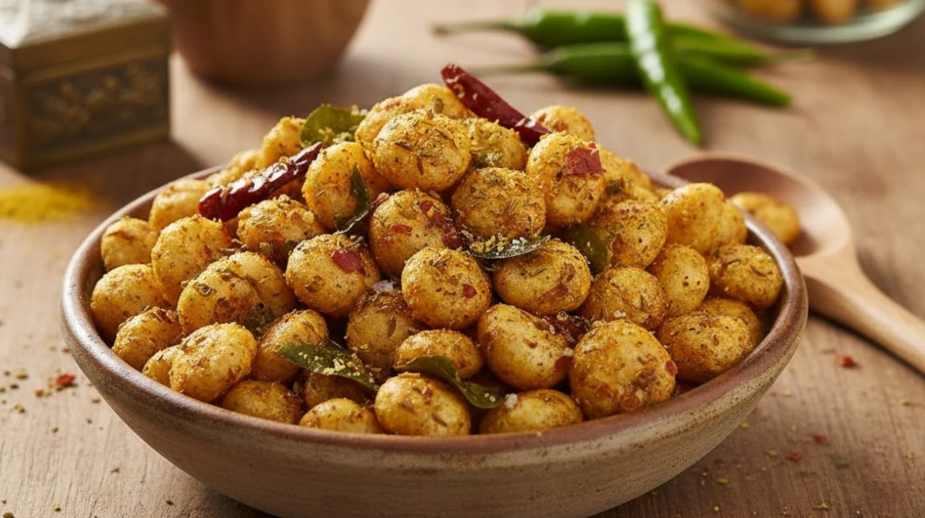
If you need a quick evening snack, roasted makhana is one of the easiest options.
Dry roast makhana in a pan and add a small amount of ghee, sendha namak and roasted cumin powder. Unlike many packaged fasting snacks, homemade roasted makhana gives you better control over the amount of salt and fat. For additional flavour, you can add black pepper or other spices permitted under your family's fasting rules..
5. Fresh Fruit Chaat
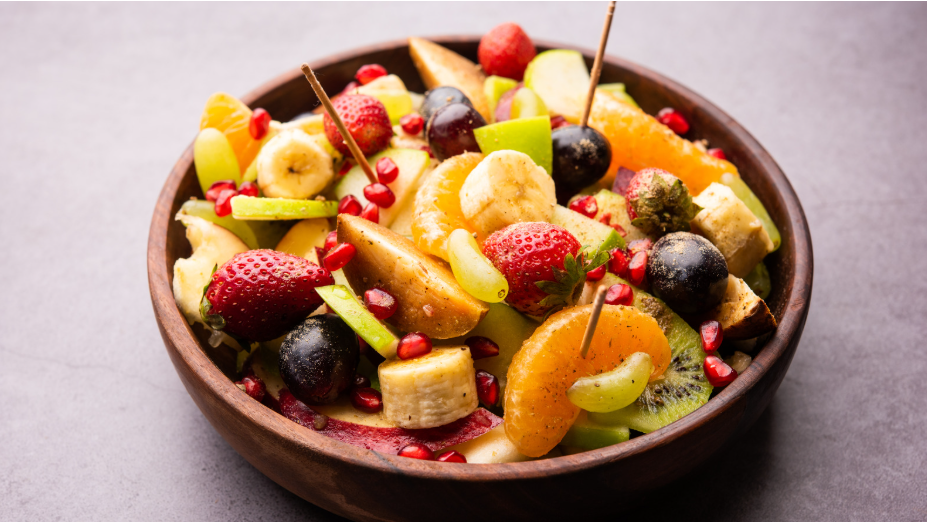
Fruit chaat is a simple way to add freshness to a fasting meal. Use fruits such as apple, banana, orange, pomegranate, papaya or watermelon and add lemon juice with a little roasted cumin and sendha namak. Instead of adding sugar, allow the natural sweetness of the fruit to provide most of the flavour. Fruit also contributes fibre and micronutrients, making it a useful addition to a fasting diet.
6. Makhana and Curd Bowl
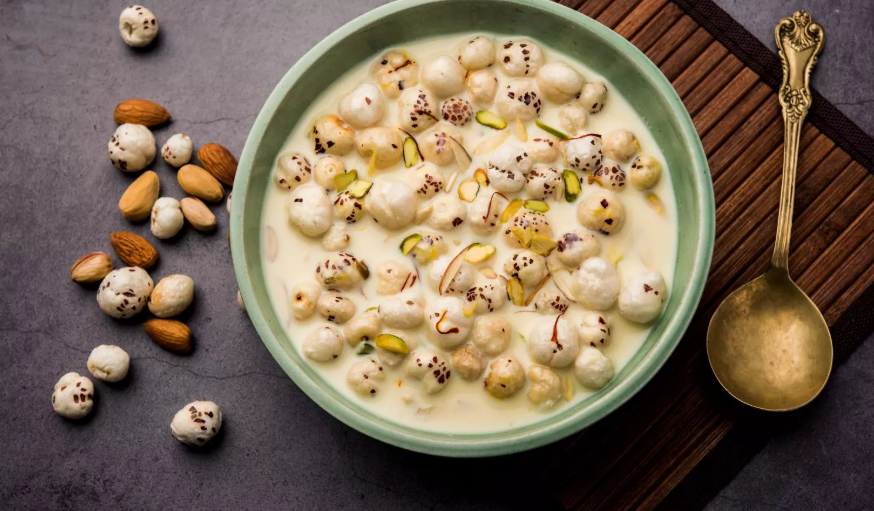
For a quick breakfast or evening meal, combine lightly roasted makhana with plain curd.
You can add chopped fruit, a few nuts and a small amount of roasted cumin for flavour. This combination can be more satisfying than eating a large quantity of a single carbohydrate-heavy fasting food. If dairy is part of your fasting routine, curd can also help add protein to the meal..
7. Samak Rice Khichdi
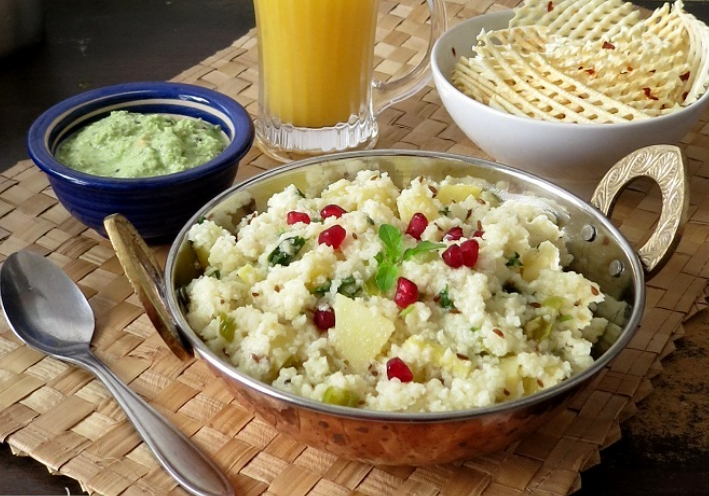
Samak rice, also called barnyard millet or vrat rice, is commonly used during fasting.
Prepare a simple khichdi using samak rice, permitted vegetables, cumin and a small amount of ghee. You can serve it with curd for a more complete meal. Samak is often used as an alternative to regular rice during fasting and can add variety when sabudana starts appearing too frequently on the menu..
8. Kuttu Vegetable Cheela
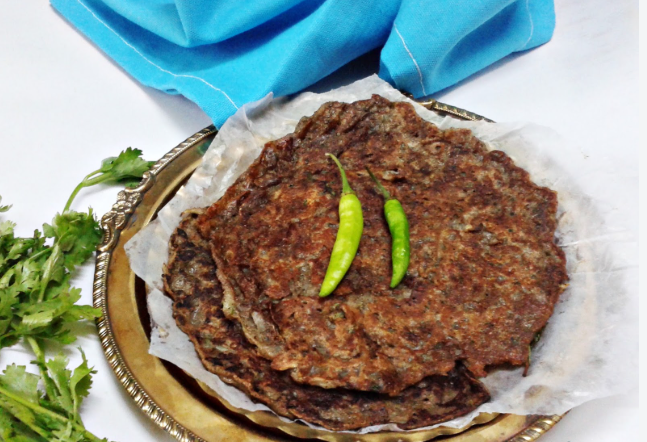
If you want something more filling than a plain cheela, add permitted vegetables such as grated bottle gourd or finely chopped coriander to the kuttu batter. Cook the cheela on a non-stick or well-seasoned pan using a small amount of oil or ghee. Serve it with plain curd or a homemade vrat-friendly chutney. This is an easy way to make a traditional fasting ingredient feel more like a complete meal..
9. Sweet Potato Chaat
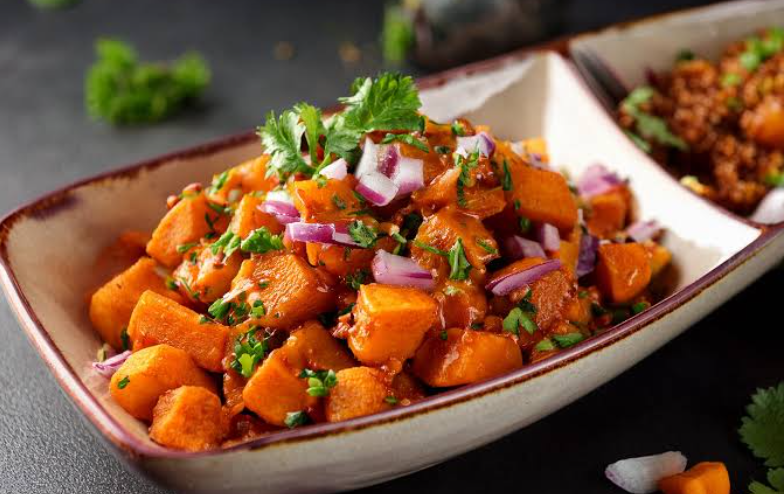
Sweet potato can be a useful addition to a Navratri menu when prepared simply. Boil or steam sweet potato, cut it into pieces and add lemon juice, roasted cumin powder, coriander and sendha namak. You can also add a small amount of roasted peanuts if they are part of your fasting tradition. Compared with deep-fried fasting snacks, boiled or steamed sweet potato keeps the preparation much lighter..
10. Makhana Kheer
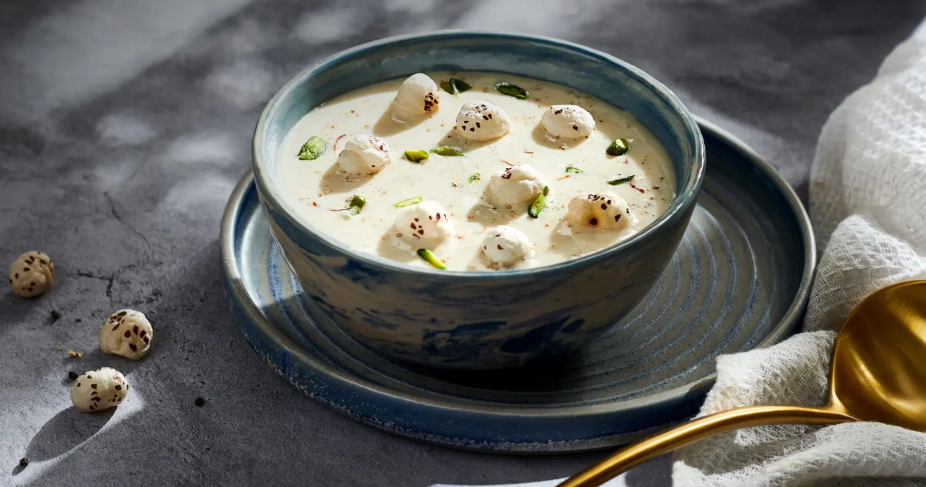
For those who want something sweet during Navratri, makhana kheer can be a lighter alternative to many rich festive desserts. Roast makhana lightly, crush it and cook it in milk until soft. Add cardamom and use sugar in moderation. You can also add a small quantity of chopped nuts for texture. The key is portion size. A fasting dessert can still be enjoyed without turning every meal into a high-sugar meal..
How to Eat Healthy During Navratri Fasting
The biggest mistake during Navratri is assuming that every food labelled as "vrat food" is automatically healthy. Sabudana, potatoes, fried kuttu puris, pakoras and sugary desserts can all be part of traditional fasting menus, but eating large quantities of them throughout the day can make the diet heavy. A more balanced approach is to rotate different foods. For example, you could have kuttu cheela for breakfast, fruit or coconut water as a snack, samak rice with vegetables and curd for lunch, roasted makhana in the evening and a lighter dinner. Including permitted sources of protein such as curd, milk, paneer, peanuts and nuts can also help make a fasting diet more balanced..
Stay Hydrated During the Fast
Hydration is just as important as food during Navratri.
Water should remain the primary drink. Depending on individual preference and fasting rules, coconut water, buttermilk and other permitted fluids can also be included. Avoid turning the fasting period into a cycle of sugary drinks, sweets and fried snacks. People who are pregnant, breastfeeding, have diabetes or another medical condition, or take regular medication should not make major dietary changes or undertake prolonged fasting without appropriate medical advice..
A Simple 9-Day Navratri Food Rotation
You do not need to eat a completely different recipe every day..
Day 1 can start with kuttu cheela and curd.
Day 2 can include sabudana khichdi with a side of curd.
Day 3 can be singhara roti with a permitted vegetable preparation.
Day 4 can feature samak rice khichdi.
Day 5 can be a lighter fruit-based meal with roasted makhana.
Day 6 can include kuttu vegetable cheela.
Day 7 can feature sweet potato chaat and curd.
Day 8 can include singhara roti with a suitable fasting accompaniment.
Day 9 can finish with a simple meal followed by a small serving of makhana kheer.
The exact foods allowed during a vrat vary across families and regions, so the rotation should always be adjusted according to individual fasting traditions Navratri fasting does not have to mean surviving on sabudana, potatoes and fried snacks for nine days.With a little planning, traditional fasting ingredients can be turned into simple and satisfying meals. Kuttu, singhara flour, samak rice, makhana, fruits, dairy and nuts can all help bring variety to the menu.The most important thing is balance. Choose homemade food where possible, keep fried items and added sugar moderate, stay hydrated and pay attention to portion sizes.
After all, the goal of a Navratri fast is not simply to change what is on your plate. For many devotees, it is also a period of discipline, mindfulness and devotion..