


Karnataka Ice Cream Safety Alert: What Happened?
Ice cream is one of those foods that rarely needs an introduction. It is a quick dessert, a family favourite and, in many parts of India, a regular summer or evening treat. But a recent food-safety inspection drive in Karnataka has put the spotlight on something consumers rarely get to see — what happens behind the freezer counter and inside manufacturing units. The Karnataka Food Safety and Drug Administration (FSDA) inspected 45 ice cream manufacturing units across the state on October 8. During the operation, officials collected 70 samples for laboratory testing. The samples included ice cream as well as milk, milk powder, flavouring substances, sugar, food additives and other raw materials. The samples have been sent to government laboratories to determine whether they meet prescribed food-safety standards. The inspections also uncovered expired food products, labelling deficiencies and unhygienic conditions at some establishments..
What Did Karnataka Officials Find?
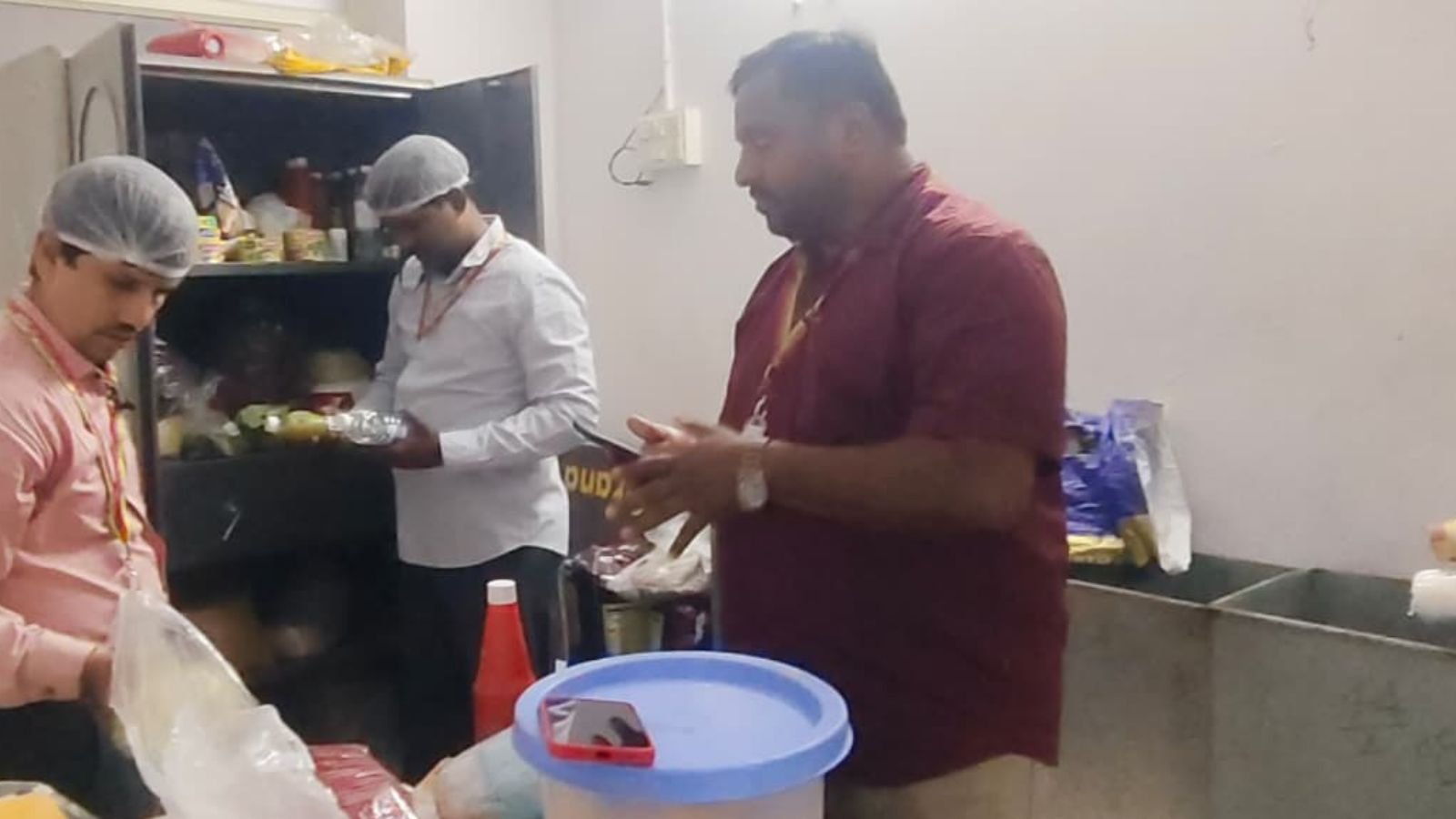
The findings were not uniform across all 45 units. According to the Food Safety Department's statement, violations were reported at several specific establishments. At Savara Ice Cream Cafe in Jayanagar, officials seized expired biscuits, milk, alkalised tea and coffee mixes, and desiccated coconut powder. At M N Enterprises in Bilekahalli, expired plain caramel, Milkmaid and khoa were seized. Officials also found deficiencies related to labelling requirements. In Raichur, unhygienic conditions were reported at Gemini Ice Cream Manufacturing Unit, following which the establishment was issued a notice. In Mysuru, officials found labelling deficiencies at John Candy Ice Cream Manufacturing Unit and seized ice cream products worth ₹20,000. The department said further legal action would be taken against establishments found violating food-safety requirements..
What About the 70 Ice Cream and Food Samples?

This is an important distinction. The fact that 70 samples were collected does not mean that all 70 were found unsafe. The samples have been sent to government laboratories for analysis. The testing is intended to establish whether the products and ingredients comply with the prescribed food-safety standards. Until those laboratory results are available, it would be inaccurate to label every sampled product as contaminated or unsafe. For consumers, this distinction matters because an inspection finding at a particular manufacturing unit and a laboratory-confirmed food safety violation are not necessarily the same thing..
Why Are Expired Ingredients a Concern?
Food manufacturers use a variety of ingredients to produce ice cream, including milk products, flavouring substances, sugars and other additives. Using ingredients beyond their permitted use-by or expiry period can raise food-safety and quality concerns. It can also indicate weaknesses in inventory management and storage practices. FSSAI's hygiene guidance emphasises proper control of incoming raw materials, including checking details such as batch numbers, manufacturing dates, use-by or expiry dates and quantities received. It also calls for appropriate storage conditions and practices such as FIFO and FEFO, where applicable. In simple terms, manufacturers need to know what ingredients they have, when those ingredients expire and how they are being stored..
Hygiene Is Just as Important as Ingredients
The Karnataka inspections also highlighted a second issue: hygiene. Ice cream production involves milk and other ingredients that need to be handled and stored properly. Poor sanitation can increase the risk of contamination..
FSSAI's hygiene-rating framework considers several factors, including:-
- Cleanliness of the food premises
- Proper storage facilities
- Refrigeration and temperature control
- Personal hygiene facilities for food handlers
- Protection against contamination
- Safe handling of raw materials
- Proper storage according to temperature requirements
These controls are particularly important in food manufacturing because problems may not always be visible in the finished product..
What Should Consumers Check Before Buying Ice Cream?
The Karnataka inspection drive is a useful reminder that consumers also have a few simple checks they can make before buying packaged ice cream..
1. Check the Expiry or Use-By Date
This is the most basic check, but it is easy to overlook. Before putting an ice cream tub or cup into your shopping basket, look at the manufacturing and expiry or use-by information printed on the package. Avoid products with an expired date or packaging that appears to have been altered..
2. Look for the FSSAI Number
Packaged food products should carry the relevant FSSAI licensing or registration information. The 14-digit FSSAI licence or registration number can help identify the food business responsible for the product. Consumers can also verify an FSSAI number through the official FoSCoS portal. A valid number should correspond with the food business details shown in the system..
3. Check the Packaging
Do not ignore damaged packaging. If the container is badly damaged, leaking, tampered with or appears to have been improperly stored, choosing another product is a sensible precaution. Also check whether the printed information is clear and complete..
4. Pay Attention to Storage
Ice cream needs to remain frozen. If a product is visibly melting, has been stored in an obviously malfunctioning freezer or appears to have gone through repeated thawing and refreezing, consumers should be cautious. The condition of the freezer at a retail outlet can tell you something about how seriously frozen-food storage is being handled..
5. Read the Label
The label can provide useful information beyond the flavour and price. Check the ingredient list, allergen information, nutrition information, date markings, storage instructions and manufacturer details. FSSAI-related consumer guidance also recommends checking ingredients, nutrition information, expiry or use-by dates and storage instructions before purchasing packaged food..
6. Do Not Assume a Brand Is Safe or Unsafe From One Inspection
This is another important point. A food-safety inspection identifies conditions at a particular location and time. It does not automatically mean that every product from a brand is unsafe. Likewise, a product that looks perfectly normal is not automatically guaranteed to be safe. Laboratory testing, regulatory compliance and proper manufacturing practices are what provide stronger evidence..
What Happens After the Samples Are Tested?
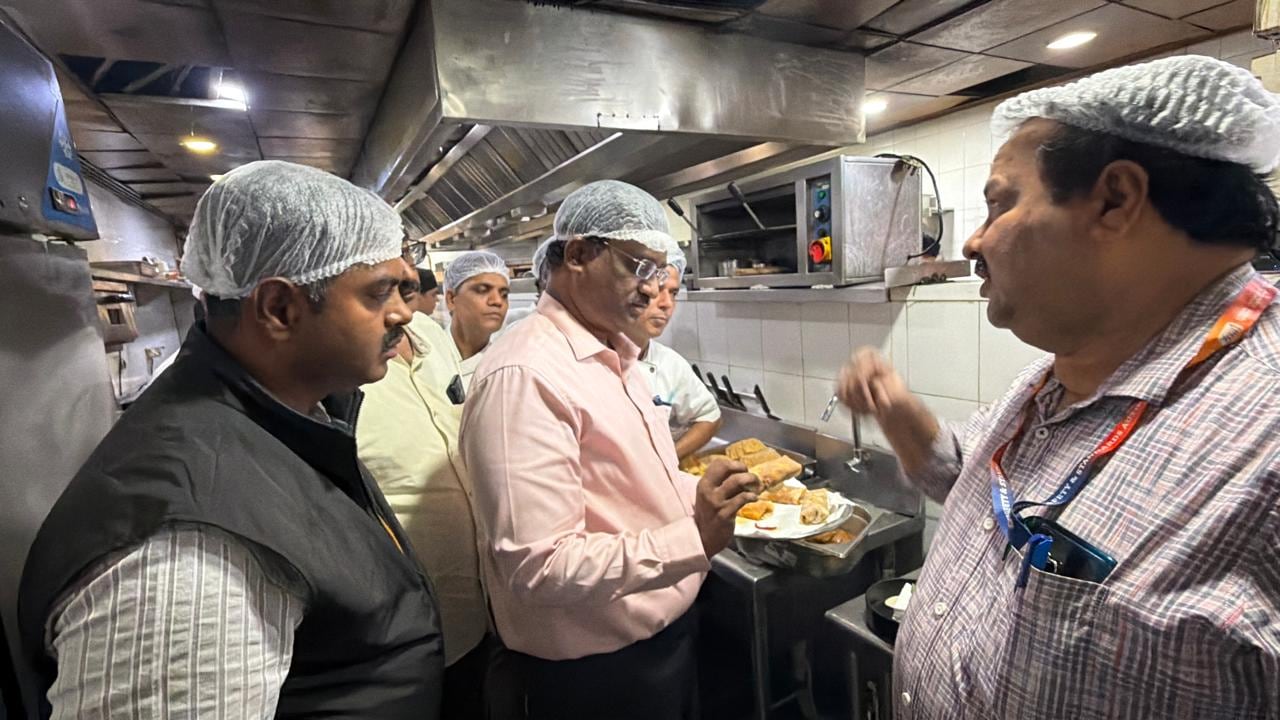
The 70 samples collected during Karnataka's inspection drive will undergo laboratory analysis. If samples are found to be non-compliant with prescribed food-safety standards, authorities can take enforcement action under the relevant provisions of the Food Safety and Standards Act and associated rules. FSSAI says enforcement action can include improvement notices and, depending on the nature and seriousness of the violation, penalties, adjudication proceedings, prosecution, or suspension or cancellation of licences. The Karnataka department has also said that special inspection drives at ice cream manufacturing units will continue across the state..
Should Consumers Stop Eating Ice Cream?
There is no basis from the current inspection findings to suggest that consumers should stop eating ice cream altogether. The inspections involved 45 units, and violations were reported at specific establishments. Meanwhile, the 70 collected samples are still undergoing laboratory analysis. The more useful takeaway is to become a little more careful about where you buy frozen foods and what you check before purchasing them. Look at the date. Check the packaging. Verify the FSSAI information. Make sure the product has been properly frozen and stored. These are simple habits, but they can make a difference..
Why This Inspection Matters
Food-safety inspections are not only about catching violations after they happen. They are also about keeping manufacturers, retailers and food businesses accountable for basic standards. The Karnataka operation shows why regular inspection matters. Expired ingredients may indicate poor stock management. Labelling deficiencies can make it harder for consumers to understand what they are buying. Poor hygiene can raise concerns about how food is being handled. At the same time, laboratory testing remains essential because not every food-safety issue can be identified simply by looking at a product..