


12 Jyotirlingas of India
India's spiritual landscape is filled with ancient temples, pilgrimage routes and sacred traditions that have continued across generations. Among the most important Shiva pilgrimage traditions is the worship of the 12 Jyotirlingas.
The word Jyotirlinga is derived from two Sanskrit words: Jyoti, meaning light or radiance, and linga, referring to the symbolic representation of Shiva.
According to Hindu tradition, these twelve sacred manifestations of Lord Shiva are associated with divine light and are considered particularly significant places of pilgrimage.
The 12 Jyotirlingas are spread across several states and regions of India, taking devotees from the western coast of Gujarat to the Himalayan landscape of Uttarakhand and from Maharashtra to Tamil Nadu.
What Is a Jyotirlinga?
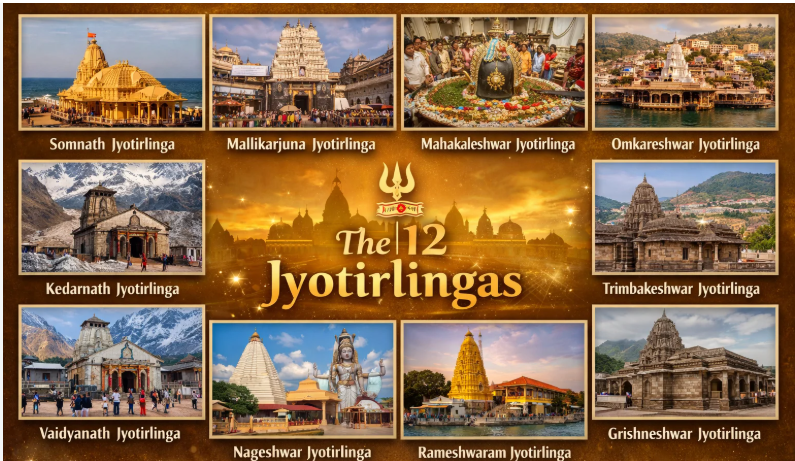
According to Hindu tradition, a Jyotirlinga represents Shiva as an infinite column of divine light.
One of the best-known stories associated with the origin of the Jyotirlinga tradition describes a dispute between Brahma and Vishnu over their supremacy. Shiva is said to have appeared as an endless pillar of light, demonstrating a form beyond measurement or limits.
The twelve Jyotirlingas are traditionally regarded as especially sacred manifestations of this divine presence.
The names of the twelve shrines are found in traditional Sanskrit sources, including the Dvadasha Jyotirlinga Stotram, which is widely associated with the Jyotirlinga tradition.
The 12 Jyotirlingas: Names and Locations
No.JyotirlingaLocation1SomnathPrabhas Patan, Gujarat2MallikarjunaSrisailam, Andhra Pradesh3MahakaleshwarUjjain, Madhya Pradesh4OmkareshwarKhandwa, Madhya Pradesh5KedarnathKedarnath, Uttarakhand6BhimashankarMaharashtra7Kashi VishwanathVaranasi, Uttar Pradesh8TrimbakeshwarNashik, Maharashtra9VaidyanathDeoghar, Jharkhand*10NageshwarNear Dwarka, Gujarat*11RameshwaramRameswaram, Tamil Nadu12GrishneshwarVerul, Maharashtra
There are traditional and regional debates regarding the identification of some shrines, particularly Vaidyanath and Nageshwar. The locations above reflect the commonly recognised pilgrimage tradition in India.
1. Somnath Jyotirlinga — Gujarat
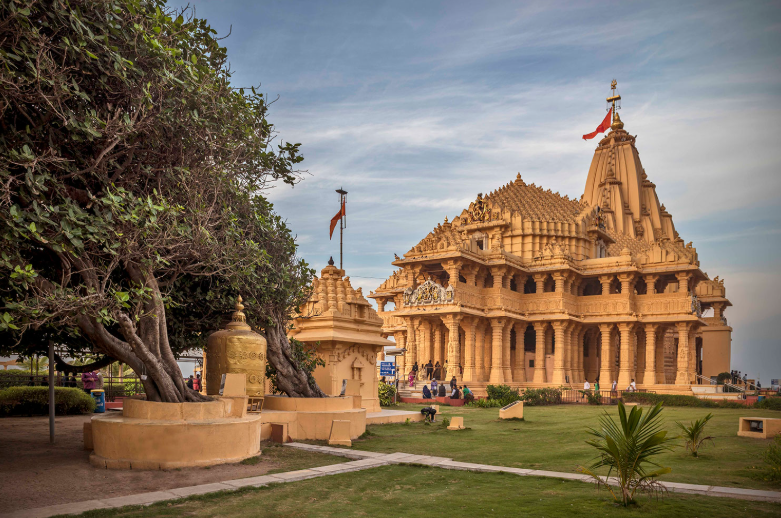
Located at Prabhas Patan near the Arabian Sea in Gujarat, Somnath is traditionally regarded as the first of the twelve Jyotirlingas.
The temple has a long and complex history and has been rebuilt several times over the centuries.
Its location beside the Arabian Sea gives the temple a distinctive setting, while its religious importance has made it one of India's best-known Shiva pilgrimage destinations.
The present temple is built in the traditional architectural style associated with the region and stands close to the coast.
For visitors, Somnath also offers an opportunity to explore the wider heritage of the Saurashtra region.
2. Mallikarjuna Jyotirlinga — Srisailam
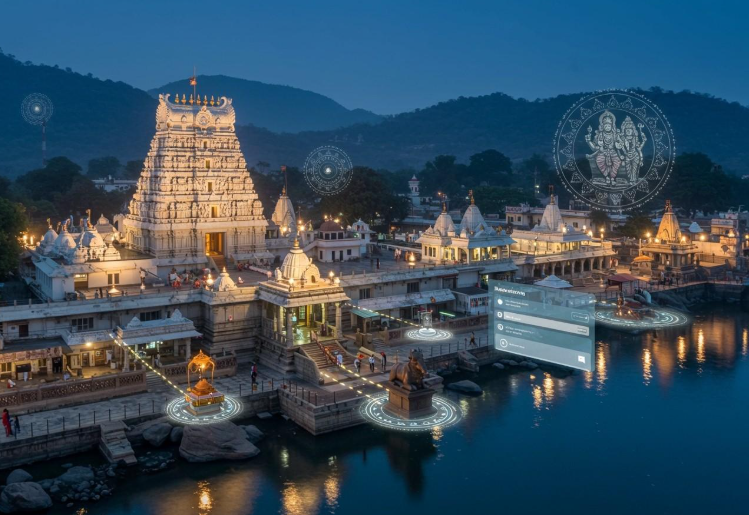
Situated on the banks of the Krishna River in the Nallamala hills, Mallikarjuna Jyotirlinga is located at Srisailam in Andhra Pradesh.
The shrine is also closely associated with the worship of Goddess Bhramaramba, making the temple complex an important Shaiva and Shakta pilgrimage centre.
Traditional stories connect the temple with Shiva and Parvati and the story of their son Kartikeya.
The surrounding landscape of forests and hills adds another dimension to the pilgrimage experience.
3. Mahakaleshwar Jyotirlinga — Ujjain
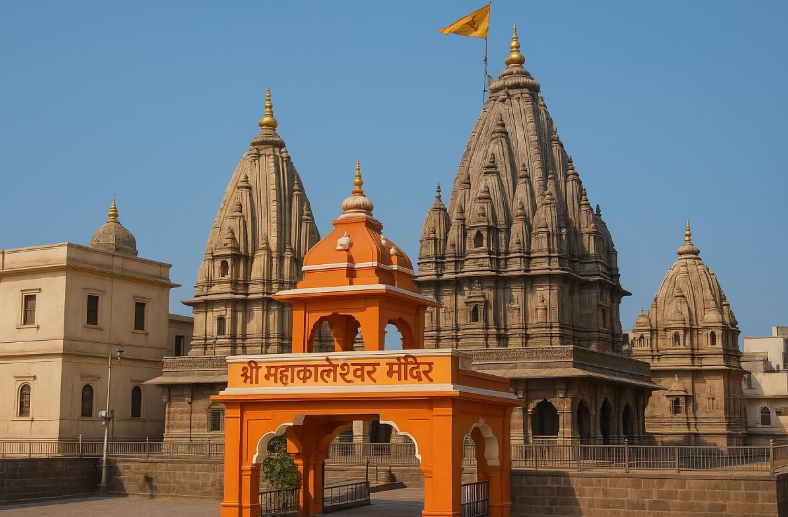
In the historic city of Ujjain, Madhya Pradesh, stands Mahakaleshwar Jyotirlinga, one of the most prominent Shiva temples in central India.
Mahakaleshwar is particularly associated with Shiva in the form of Mahakala, or the Lord of Time.
The temple is famous for its Bhasma Aarti, an early-morning ritual that attracts large numbers of devotees.
Ujjain itself has deep connections with Indian religious and cultural history and is also one of the traditional sites associated with the Kumbh Mela.
4. Omkareshwar Jyotirlinga — Madhya Pradesh
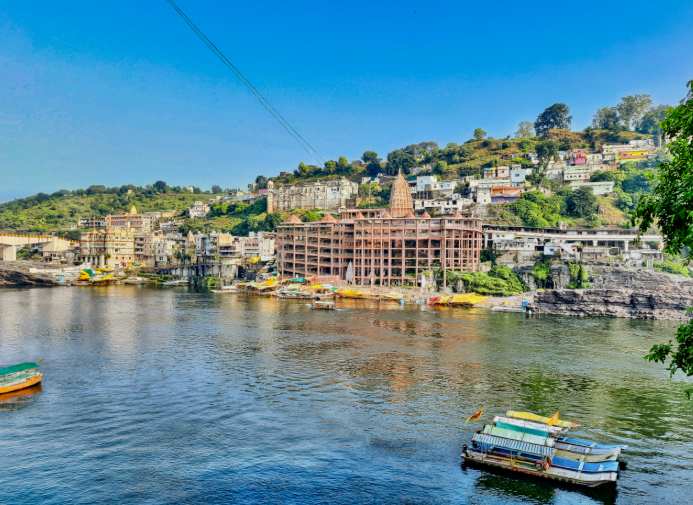
Located on an island in the Narmada River, Omkareshwar is another major Shiva pilgrimage centre in Madhya Pradesh.
The island is traditionally associated with the shape of the sacred syllable "Om", giving the site its distinctive religious identity.
The temple and surrounding river landscape attract pilgrims throughout the year.
The Narmada itself holds an important place in Indian religious traditions, making the region significant beyond the Jyotirlinga temple alone.
5. Kedarnath Jyotirlinga — Uttarakhand
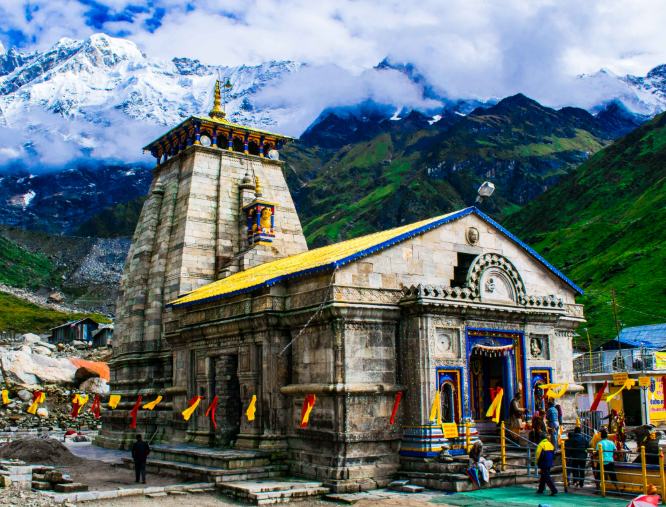
High in the Garhwal Himalayas stands Kedarnath, one of India's most revered pilgrimage destinations.
The temple is situated near the source region of the Mandakini River and is surrounded by the dramatic Himalayan landscape.
Kedarnath is also one of the four sites of the Char Dham pilgrimage in Uttarakhand, making it significant within multiple pilgrimage traditions.
Because of its high-altitude location and seasonal access, travelling to Kedarnath requires considerably more planning than visiting many other Jyotirlingas.
The temple's remote Himalayan setting is an integral part of its identity.
6. Bhimashankar Jyotirlinga — Maharashtra
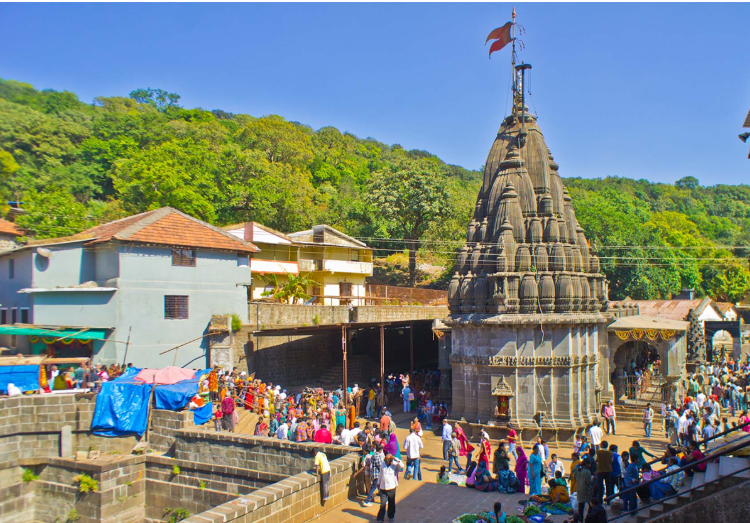
Located in the Sahyadri hills of Maharashtra, Bhimashankar combines pilgrimage with a landscape known for forests and biodiversity.
According to local tradition, the temple is associated with the story of Shiva defeating the demon Bhima.
The Bhimashankar region is also known for the Bhimashankar Wildlife Sanctuary, making it an interesting destination for travellers interested in both spirituality and nature.
7. Kashi Vishwanath Jyotirlinga — Varanasi
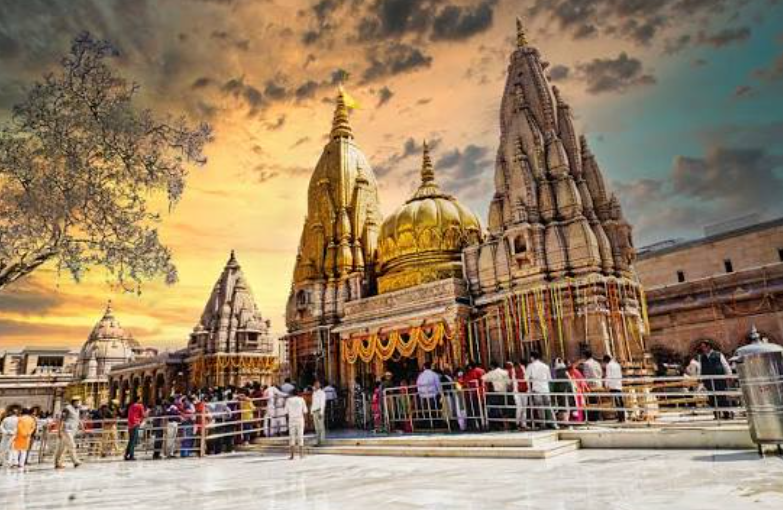
In the ancient city of Varanasi stands Kashi Vishwanath, one of the most important Shiva temples in India.
The temple is situated in one of the world's oldest continuously inhabited urban centres and holds a central place in the religious identity of Kashi.
The Ganges, the city's ghats and its long tradition of pilgrimage all contribute to the distinctive atmosphere of Varanasi.
For devotees, visiting Kashi Vishwanath is not simply a temple visit. It is often part of a much larger spiritual journey through the sacred landscape of Kashi.
8. Trimbakeshwar Jyotirlinga — Maharashtra
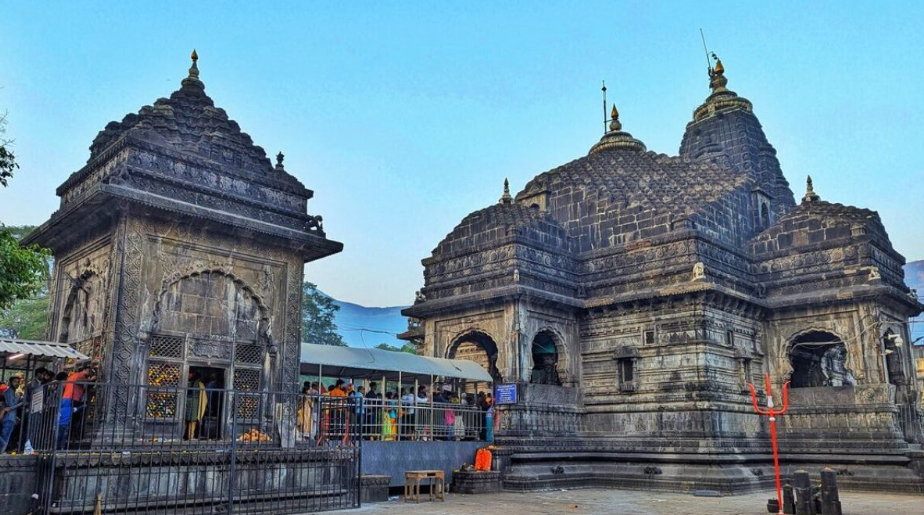
Located near Nashik, Trimbakeshwar is another important Jyotirlinga in Maharashtra.
The temple is situated close to the source region of the Godavari River, one of India's major rivers.
The temple's distinctive architecture and its association with the Godavari make the area significant both religiously and culturally.
Trimbakeshwar is also connected with the larger pilgrimage traditions of Nashik and the Kumbh Mela.
9. Vaidyanath Jyotirlinga — Deoghar
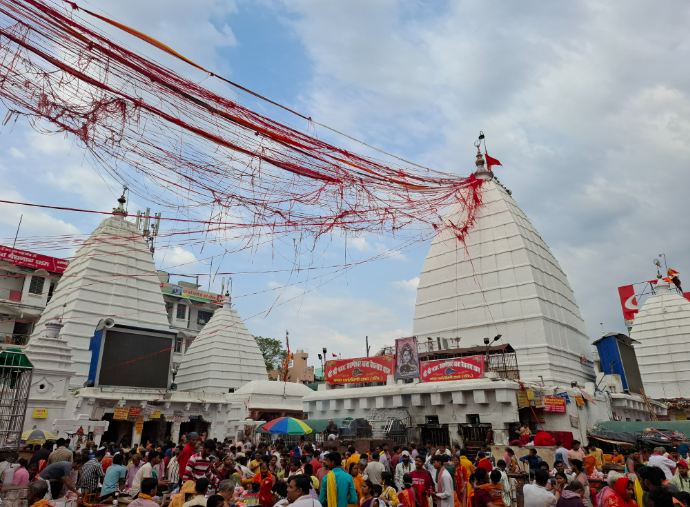
Vaidyanath, commonly associated with the Baidyanath Temple in Deoghar, Jharkhand, is traditionally counted among the twelve Jyotirlingas.
According to a popular legend, Ravana performed intense penance to Shiva and sought his blessings.
The temple is an important pilgrimage destination in eastern India and receives large numbers of devotees, particularly during the Shravan period.
The identification of Vaidyanath with a specific location has also been discussed in different regional traditions, making it an interesting example of how India's pilgrimage geography has evolved over time.
10. Nageshwar Jyotirlinga — Gujarat
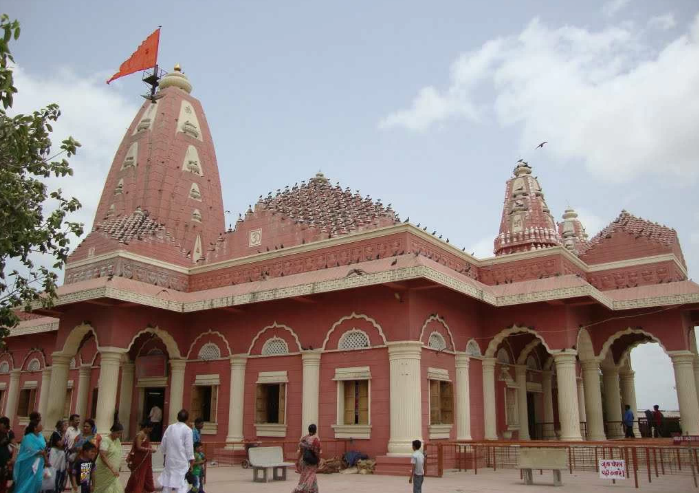
Located near Dwarka in Gujarat, Nageshwar is traditionally associated with Shiva's protection of devotees from evil forces.
The temple stands in the wider sacred landscape of Dwarka, one of India's major pilgrimage destinations.
A large Shiva statue near the temple has also become a recognisable feature of the site.
The combination of Dwarka and Nageshwar makes this part of Gujarat particularly significant for pilgrims following multiple sacred traditions.
11. Rameshwaram Jyotirlinga — Tamil Nadu
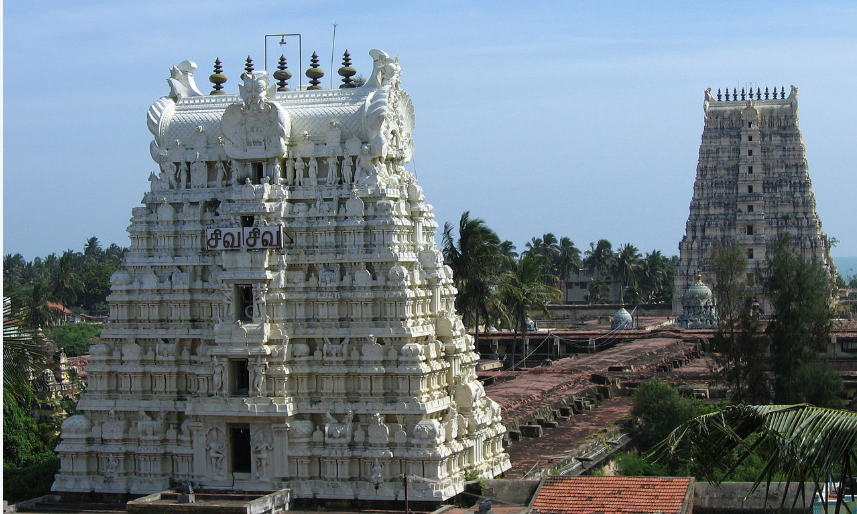
At the southern end of India's pilgrimage map lies Rameshwaram, home to the Ramanathaswamy Temple.
The temple is traditionally associated with the Ramayana and the worship of Shiva by Lord Rama.
The temple is particularly famous for its enormous corridors, pillars and distinctive Dravidian architectural features.
Rameshwaram is also one of the four Char Dham pilgrimage sites, giving it importance beyond the Jyotirlinga tradition.
Its location on Pamban Island adds to the unique character of the pilgrimage.
12. Grishneshwar Jyotirlinga — Maharashtra
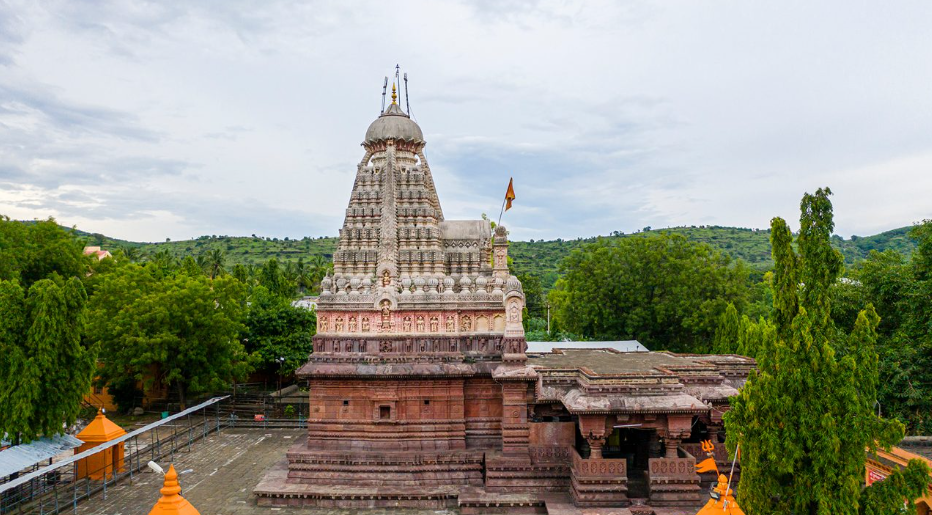
The Grishneshwar Jyotirlinga is located near Verul, close to the famous Ellora Caves in Maharashtra.
The temple is traditionally associated with a story of devotion, loss and Shiva's grace.
Its location makes it particularly interesting for travellers because the temple can be visited alongside the Ellora Caves, a UNESCO World Heritage Site known for its remarkable rock-cut architecture.
This combination of religious and archaeological heritage makes the area one of Maharashtra's most fascinating cultural destinations.
Why Are the 12 Jyotirlingas Important?
The importance of the Jyotirlinga
The importance of the Jyotirlingas extends beyond individual temples.
Together, they form a network of sacred destinations spread across a large part of India. A pilgrimage covering multiple Jyotirlingas can therefore become both a spiritual journey and a journey through India's geography, architecture and cultural history.
The twelve sites also demonstrate the extraordinary diversity of Indian temple traditions.
From the Himalayan setting of Kedarnath to the coastal landscape of Somnath and Rameshwaram, each temple has developed within a very different regional environment.
The Jyotirlinga Tradition and Indian Culture
For centuries, pilgrimage has played an important role in connecting different parts of the Indian subcontinent.
Pilgrims travelling to these temples encounter different languages, cuisines, architectural styles and local traditions along the way.
This makes the Jyotirlinga tradition more than a collection of religious sites. It is also part of India's broader cultural geography.
The temples have inspired architecture, literature, music, festivals and countless personal journeys across generations.
Can You Visit All 12 Jyotirlingas in One Trip?
It is possible to plan a journey covering all twelve, but doing so requires significant time and careful planning.
The temples are spread across a large geographical area, from Gujarat and Maharashtra to Uttarakhand and Tamil Nadu.
A practical pilgrimage is often divided into regional circuits rather than attempting to visit every shrine in a single short trip.
For example, Maharashtra has several major Jyotirlinga sites, while Gujarat offers the opportunity to combine Somnath and Nageshwar with other destinations in the region.
Kedarnath requires separate planning because of its Himalayan location and seasonal accessibility.
Travellers should also check temple opening dates, local weather, transport conditions and accommodation availability before beginning a pilgrimage.
A Journey Through India's Spiritual Landscape
The 12 Jyotirlingas are among the most enduring symbols of India's Shiva tradition.
Each shrine has its own story, landscape and architectural character, yet all are connected by a shared spiritual tradition centred on Lord Shiva.
For devotees, the journey is an expression of faith. For travellers, it can also become a way to discover India's ancient traditions, regional cultures and remarkable landscapes.
From the shores of Gujarat to the mountains of Uttarakhand and the temples of Tamil Nadu, the Jyotirlingas reveal just how diverse India's sacred geography can be..