


Indian cricket fans are quite excited about a young batter named Vaibhav Suryavanshi.he played for India once again in a match against New Zealand. Interestingly, not only did he return to the team, but he also batted in a position different from his usual one. This has become a major topic of conversation. Although Vaibhav Suryavanshi is still a teenager, he has already begun to make a name for himself in the world of cricket. His return to the side and his new batting position have captured everyone's attention, and fans are eager to see how he performs in the future.
Why did Vaibhav Suryavanshi play today?
Vaibhav got the opportunity to play for India because Ishan Kishan was injured and unavailable. The match the second T20I was held at Hagley Oval in Christchurch, New Zealand. India was looking for a strong performance, and Vaibhav’s inclusion in the team was significant. The side expected a good showing from him, especially given Ishan Kishan’s absence due to injury. It was a crucial match, and everyone was keen to see what would unfold.
India decided to stick with Sanju Samson and Abhishek Sharma as the opening pair. Consequently, instead of opening the innings, Vaibhav was sent in to bat at the number three position.
Before the match, Indian captain Shreyas Iyer made a major decision regarding the batting order for this young player. This move drew significant attention and remains a major talking point among cricket fans.
Vaibhav Suryavanshi’s batting position becomes a topic of discussion
Vaibhav is primarily known as an aggressive opening batter. Opening the innings allows a batter to face the new ball and take full advantage of fielding restrictions.
However, batting at number three presents a different kind of challenge. If an opener gets out early, the player might have to head to the crease very quickly; alternatively, they might have to wait until the opening pair has put some runs on the board. For a young player still adjusting to the international stage, playing in a new position can be a valuable learning experience. Furthermore, this approach allowed India to retain the opening pair that had been performing well for them.
How did he perform in the match?
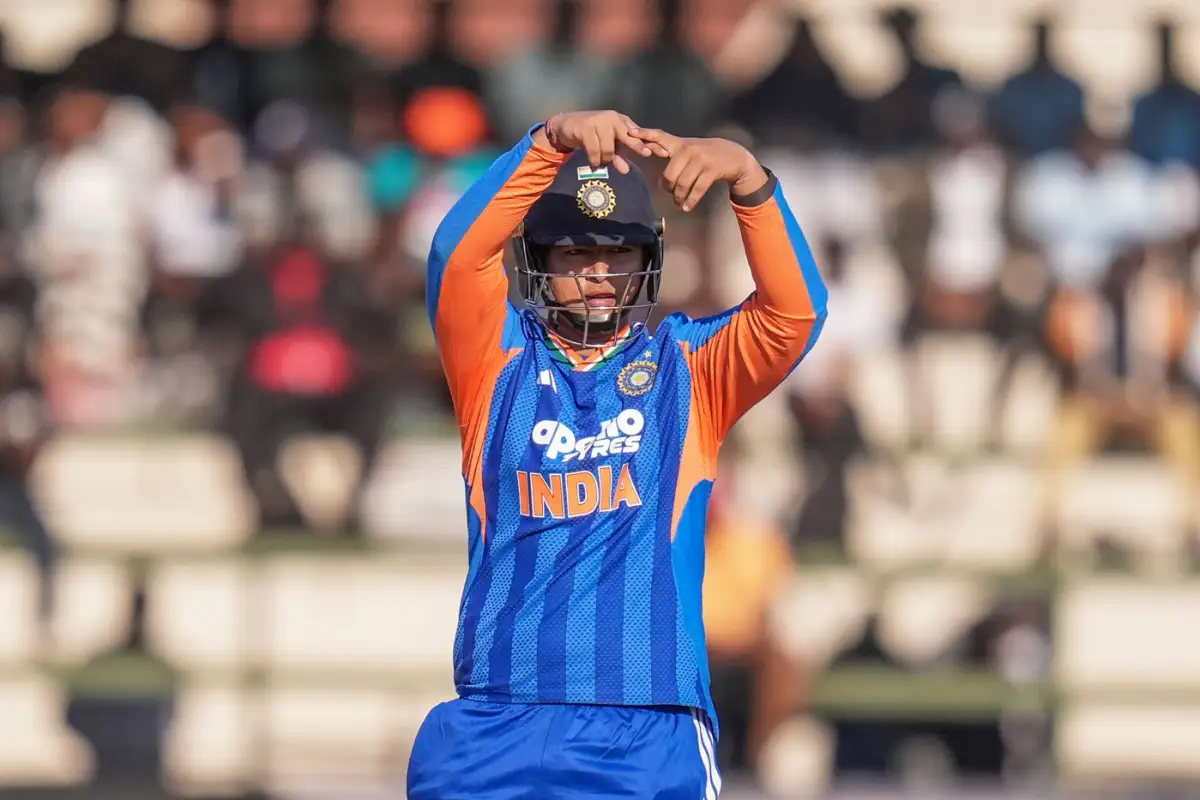
Vaibhav’s return did not quite live up to the expectations of his fans. Being only 15 years old and a left-handed batter, he was expected to deliver something spectacular. Unfortunately, he managed only four runs off eight balls before falling to New Zealand fast bowler Nathan Smith.
A poor outing can be disappointing, but it does not mean the young player lacks talent. Even the world’s best players occasionally face challenging bowling spells or struggle when playing at a new venue. A single bad match does not define a player’s ability, and fans should not be too quick to lose faith in him. While experienced players know how to handle such situations, for young cricketers, this is all part of the process of learning and improving.
This match provided Vaibhav with another opportunity to gain experience in international cricket and learn to adapt to different roles within the batting order.
Why is Vaibhav Suryavanshi so popular?
Vaibhav is currently the subject of much discussion, and it is easy to see why—he is exceptionally young and has already earned a reputation as a brilliant, aggressive batter. Cricket fans are excited to see how he performs, whether he can handle the pressure, and if he can secure a spot in India’s main squad. Many fans are keeping a close watch on him, eager to see what he does next.
When young players get an opportunity at the international level, expectations are often very high. Fans naturally look for stellar performances, but consistency and experience take time to develop.
His selection for the second T20I was significant; it meant that after a stint away from the team, he had earned another chance to play for India.
What lies ahead?
Vaibhav’s chances of playing in upcoming matches will depend on the team’s selection and the fitness status of other players. India will also need to determine their strategy for the remaining matches. They might even consider whether to send Vaibhav in to bat at the number three position, as they look to finalize their strongest batting lineup.
Currently, the biggest talking point revolves around Vaibhav—he is back in the Indian side and experimenting with a new approach to his batting. However, things did not go well for him in the second T20I against New Zealand; he was dismissed after scoring just four runs. This has sparked widespread discussion online, and it is easy to see why when a prominent talent like Vaibhav takes on a new role and doesn't quite succeed, it naturally draws significant attention.