


Have you ever bought a dress because it looked beautiful in the store, only to leave it untouched in your wardrobe for months? It happens to many of us. We often buy clothes because they are trending, on sale, or perfect for one special occasion. But after wearing them once or twice, we forget about them.
This is where the 30-wear rule comes in. It is a simple idea that encourages people to think before buying new clothes: Will I wear this outfit at least 30 times?
The rule is not about stopping shopping completely. It is about making better choices and buying clothes that fit your lifestyle.
What Is the 30-Wear Rule?
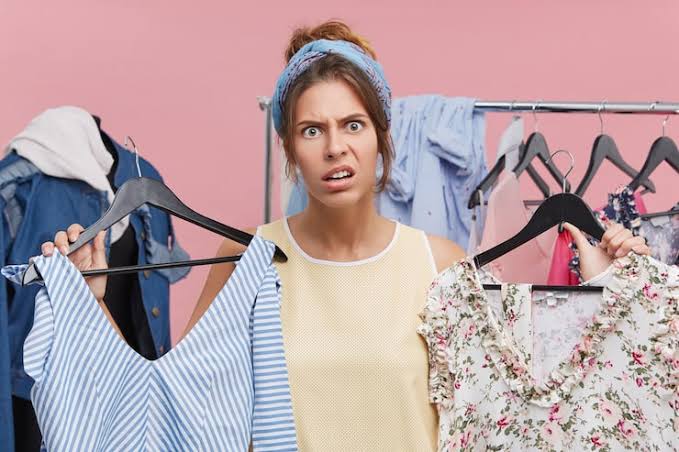
The 30-wear rule became popular through the work of sustainable fashion campaigners Livia Firth and Lucy Siegle. The idea is simple: before purchasing an item of clothing, imagine whether you will wear it at least 30 times.
For example, a comfortable pair of jeans that you can wear to work, college, shopping and casual outings may easily become a regular part of your wardrobe. On the other hand, an expensive outfit bought for a single event may remain unused for years.
Thirty wears is not a strict requirement. It is a question that helps you consider whether a purchase is worth the money and likely to be used regularly.
Why Do We Buy Clothes We Rarely Wear?

Sometimes, we shop because we need something new. At other times, we shop because of discounts, social media trends or a special occasion.
Online shopping has also made it easier to purchase clothes within minutes. A dress may look attractive in a photograph, but its colour, fitting or fabric may feel different when it arrives.
Another common reason is buying clothes for an imagined lifestyle. We purchase outfits for events we rarely attend or occasions that may never happen.
Over time, these purchases fill our wardrobes without necessarily giving us more useful clothing.
How Can the 30-Wear Rule Help You Save Money?
Imagine buying five outfits for ₹1,000 each. You spend ₹5,000 in total. If you wear each outfit only twice, you have spent ₹500 for every wear.
Now imagine buying one outfit for ₹2,000 and wearing it 30 times. The cost comes to around ₹67 per wear.
This simple comparison shows why the purchase price alone does not tell the whole story. A more expensive item can offer better value if you use it regularly.
Of course, comfort, quality, maintenance costs and how long the garment lasts also matter.
How to Follow the 30-Wear Rule
1. Check your wardrobe first. Before shopping, see whether you already own something that serves the same purpose.
2. Choose clothes that match your routine. If you mostly wear casual outfits, buying several party dresses may not be practical.
3. Avoid buying something just because it is on sale. A discount saves money only when the purchase is actually useful to you.
4. Think about how you will style it. If you can combine a new item with several clothes you already own, you may get more use out of it.
5. Prioritise comfort and durability. Clothes that fit well, feel comfortable and suit your daily activities are more likely to be worn repeatedly.
Does the Rule Mean You Should Never Buy Occasion Wear?
Not at all. Weddings, festivals, celebrations and special events are also part of life. You do not need to reject an outfit simply because you may not wear it 30 times.
You can borrow clothes, rent an outfit, repeat a favourite look or buy something that can be styled differently for other occasions. But the decision should depend on your budget and preferences, not guilt about shopping.
The purpose of the rule is to encourage thoughtful purchases, not to make people feel bad about enjoying fashion.
Why Buying Less Can Be Better for the Environment
Making clothes requires resources such as water, energy, raw materials and transportation. When clothing is bought frequently and discarded quickly, it can contribute to textile waste and environmental pressure.
Buying fewer unnecessary items, taking care of clothes, repairing them and using them for longer can help reduce waste. However, no single shopping rule can eliminate fashion's environmental impact. The materials used, manufacturing process, garment lifespan and disposal methods also matter.
Reliable Sources
1. " United Nations Environment Programme — Five ways to reduce waste in the fashion industry" (https://www.unep.org/en/news-and-stories/story/five-ways-reduce-waste-fashion-industry)
2. " United Nations Environment Programme — The environmental costs of fast fashion" (https://www.unep.org/en/news-and-stories/story/environmental-costs-fast-fashion)
3. "The Guardian — A helpful guide to purchasing clothes that will last a long time" (https://www.theguardian.com/thefilter/2026/oct/13/expert-guide-buying-clothes-that-last)