


Bollywood actor Imran Khan, known for films like 'Jaane Tu... Ya Jaane Na' and 'Delhi Belly', is in the spotlight for reasons entirely unrelated to the film industry. According to reports, following his participation in a protest in Mumbai, he has been issued a notice to leave India by October 28, 2026.This news has garnered significant attention, as Imran Khan is a U.S. citizen and holds an 'Overseas Citizen of India' (OCI) card. It is reported that the notice was issued following a protest held on October 10 at August Kranti Maidan, during which demonstrators demanded the resignation of Chief Election Commissioner Gyanesh Kumar.
So, why has the actor been asked to leave India? What role did this protest play, and does this notice mean that he has already been expelled from the country? Let’s take a look at the information that has emerged so far.
Imran Khan Asked to Leave India: What Is the Latest News?
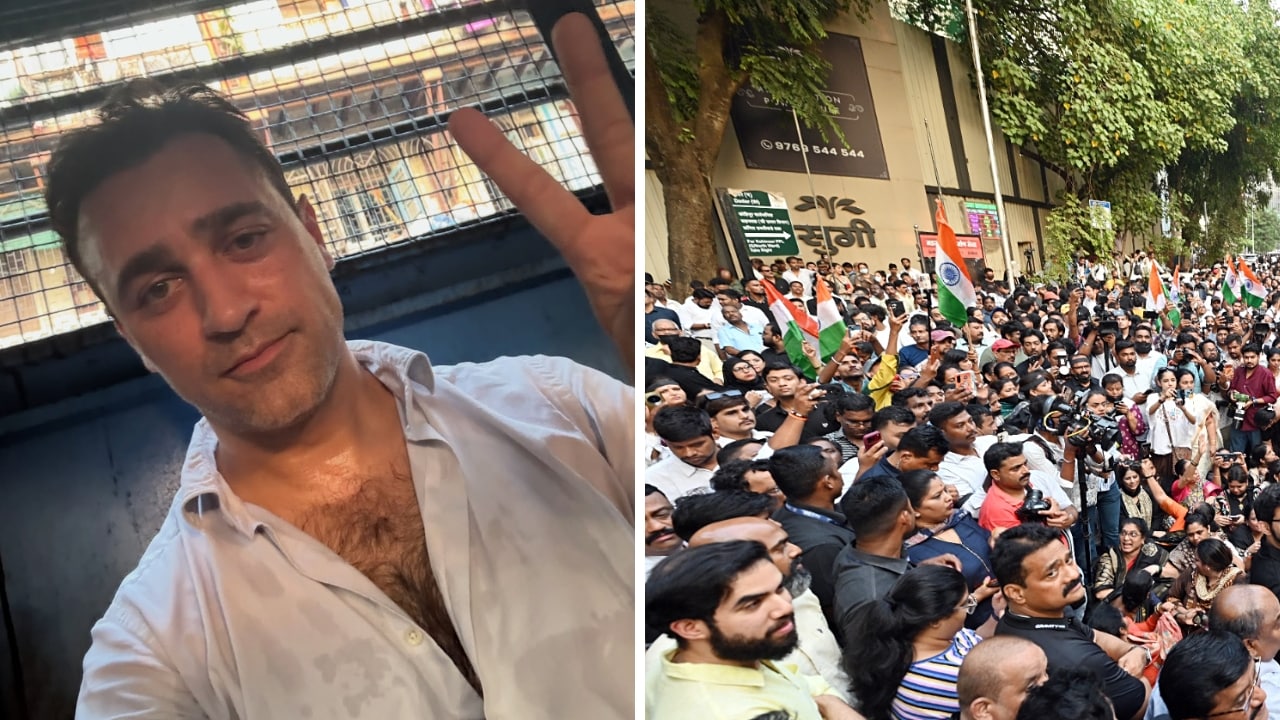
According to reports published on October 15, 2026, Mumbai Police issued a “Leave India Notice” directing Imran Khan to leave the country by October 28.
The notice reportedly concerns alleged violations of immigration law following his participation in the Mumbai demonstration. The matter was referred to the Foreigners Regional Registration Office (FRRO), which issued the notice, according to media reports.
The development followed a complaint by BJP leader and former MP Kirit Somaiya, who sought action against the actor over his participation in the protest.
It is important to understand the distinction between a notice directing someone to leave the country and an actual deportation. As of October 15, reports say Imran Khan has been asked to leave India by a specified deadline; they do not establish that he has already been deported.
The matter also raises questions about the legal position of foreign nationals and OCI cardholders who participate in political demonstrations in India.
Why Has Imran Khan Been Asked to Leave India?
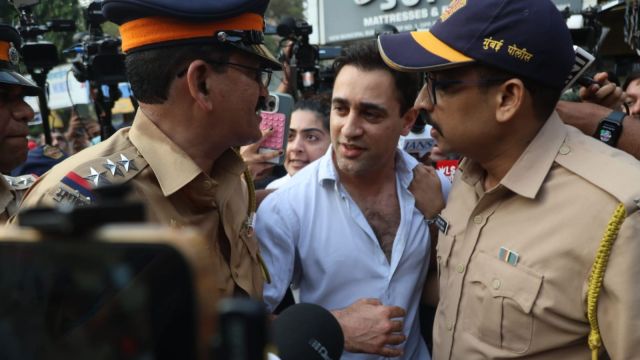
The reported reason is his participation in a protest held at August Kranti Maidan in Mumbai on October 10, 2026.
The demonstration called for the resignation of Chief Election Commissioner Gyanesh Kumar. Imran Khan was among those present and was reportedly detained briefly by Mumbai Police along with other protesters.
Following the demonstration, Kirit Somaiya raised objections to the actor's participation, pointing to his status as a non-Indian citizen. His complaint was referred to the relevant authorities, and the FRRO subsequently issued the notice.
According to news reports, the authorities have invoked provisions of the Immigration and Foreigners Act, 2025, in connection with the case.
However, the legal question is more complicated than simply saying that a foreign national attended a protest. The Indian Express reported on October 15 that the law does not expressly state that foreign nationals are categorically prohibited from attending every political rally or demonstration. The government's powers over foreign nationals and the conditions governing their stay are central to the issue.
The precise legal grounds and their application to this case may be examined through the relevant proceedings.
What Happened at the Mumbai Protest?
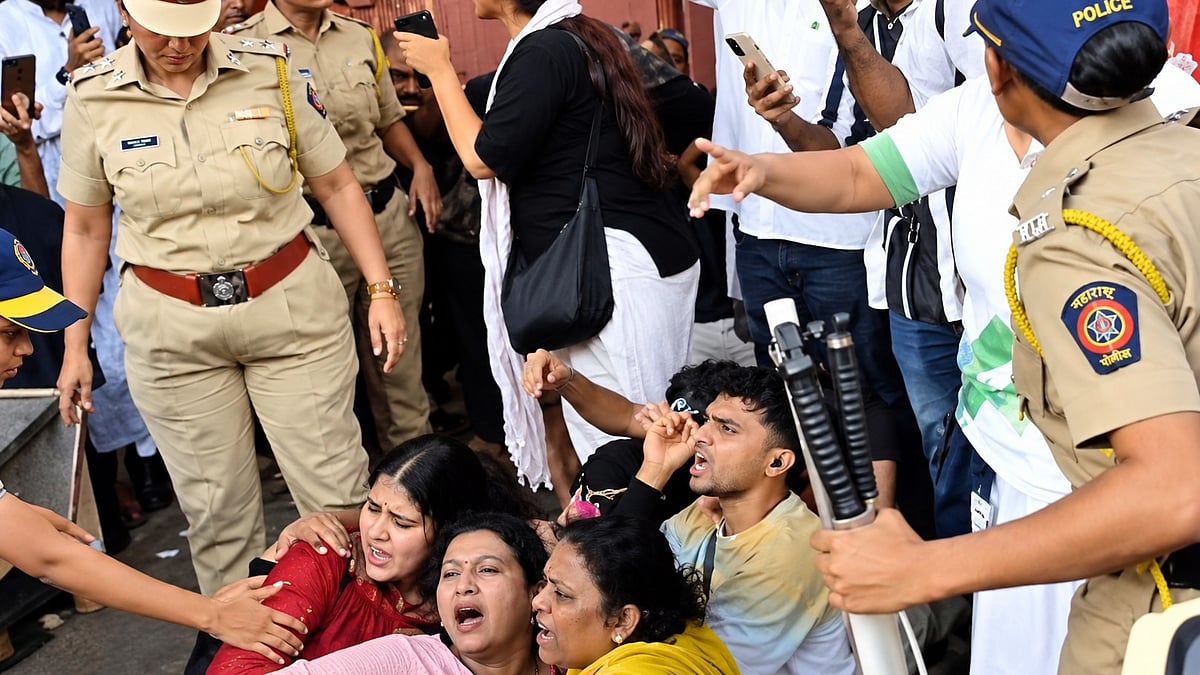
The demonstration took place at August Kranti Maidan, a historically significant location associated with India's freedom movement.
The protesters demanded the resignation of Chief Election Commissioner Gyanesh Kumar. Imran Khan's participation brought additional attention to the demonstration because of his celebrity profile and immigration status.
Reports said the actor was briefly detained during the protest. His partner, Lekha Washington, also spoke publicly about the incident. In a report published by The Indian Express on October 13, she alleged that she and actor Zayn Marie had been grabbed and bruised by police during the detention. These are allegations reported by the publication, rather than independently established findings.
The episode subsequently developed into a wider debate involving the actor's immigration status, the rules governing OCI cardholders and the extent to which non-Indian citizens can participate in political activity.
Who Is Imran Khan? A Look at His Bollywood Career

Imran Khan became a familiar face in Hindi cinema after making his leading-role debut in the romantic comedy Jaane Tu... Ya Jaane Na in 2008.
His natural screen presence and youthful romantic-comedy image helped him develop a following among audiences.
Some of his best-known films include:-
- Jaane Tu... Ya Jaane Na (2008):- The romantic comedy that established him as a leading actor.
- Kidnap (2008):- A thriller that showcased him in a more intense role.
- I Hate Luv Storys (2010):- A romantic comedy that became one of his recognisable films.
- Delhi Belly (2011):- A dark comedy that earned attention for its different style of humour.
- Mere Brother Ki Dulhan (2011):- A romantic comedy featuring Katrina Kaif and Ali Zafar.
- Ek Main Aur Ekk Tu (2012):- A romantic comedy-drama starring Kareena Kapoor Khan opposite him.
Imran Khan is also the nephew of actor Aamir Khan. The two belong to the broader Khan family associated with Hindi cinema, although they have distinct careers and public profiles.
His latest immigration-related controversy has brought renewed attention to the actor, who has largely remained away from the centre of mainstream Bollywood releases in recent years.
What Is an OCI Card, and Why Does It Matter?
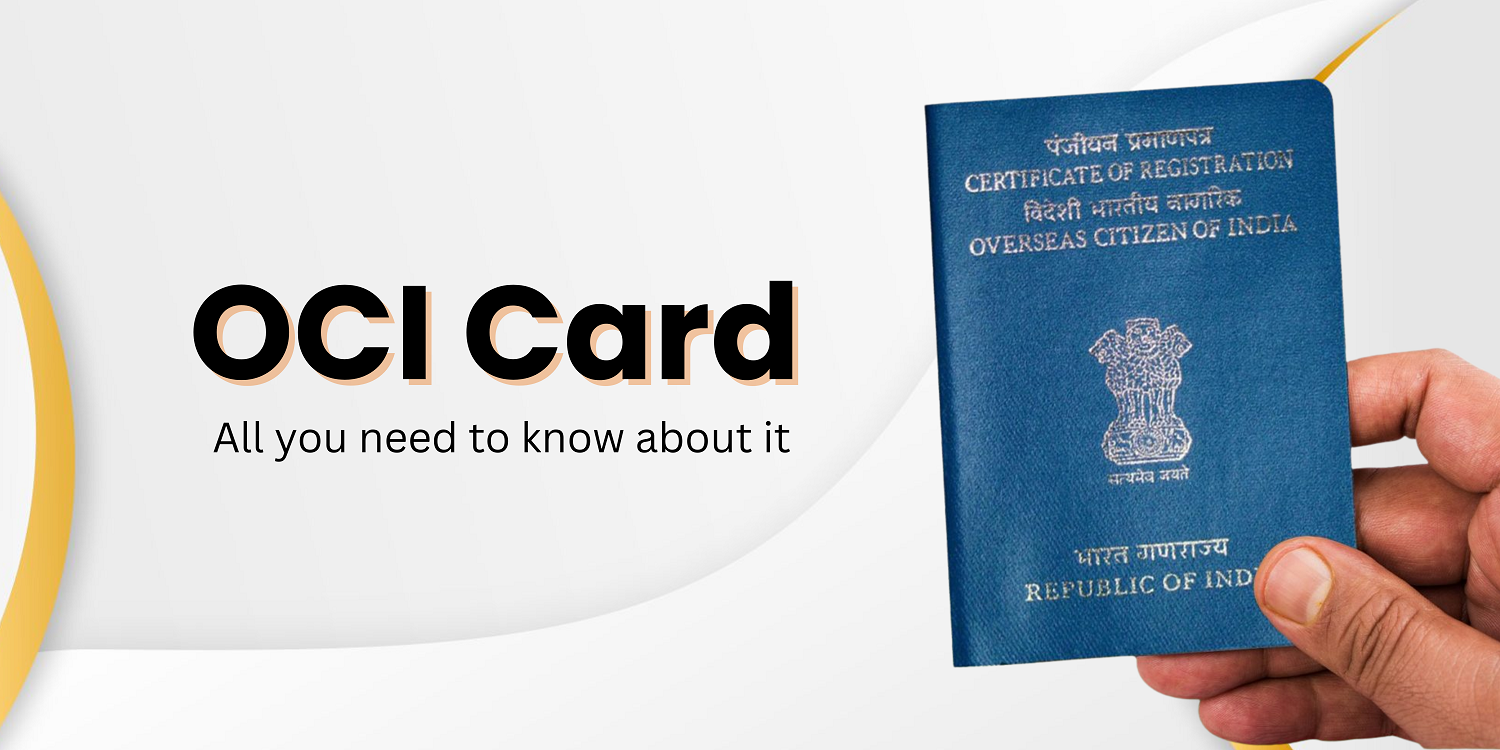
OCI stands for Overseas Citizen of India. The scheme offers eligible foreign nationals of Indian origin certain long-term privileges, including a lifelong multiple-entry visa, subject to applicable rules.
However, OCI status is not the same as Indian citizenship. An OCI cardholder remains a foreign national and does not automatically receive all the constitutional and political rights reserved for Indian citizens.
For example, OCI cardholders cannot vote in Indian elections or contest elections as Indian citizens can. Their entry, stay and permitted activities in India are also subject to relevant laws and government rules.
In Imran Khan's case, reports identify him as an American citizen and OCI cardholder. Authorities have reportedly relied on immigration provisions in issuing the notice.
A key distinction is that the Immigration and Foreigners Act gives the government powers to regulate foreign nationals, but the exact legal basis for a particular direction and whether it can withstand a challenge are separate questions.
The Indian Express's legal explainer published on October 15 noted that the law does not expressly impose a blanket prohibition on every foreign national attending a protest. The case therefore raises questions about how the relevant provisions and any applicable conditions are interpreted.
Did Kirit Somaiya Demand Imran Khan's Deportation?
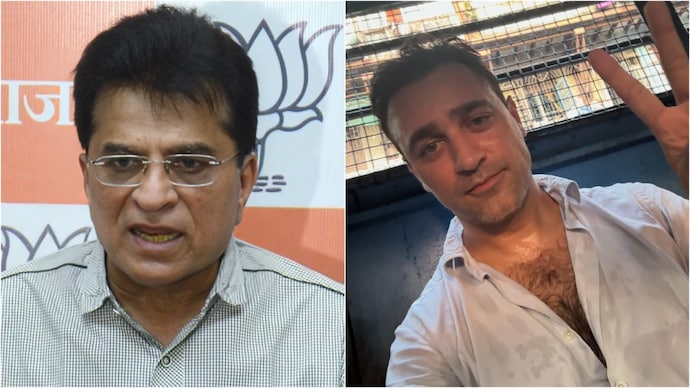
Yes. Media reports say Kirit Somaiya demanded action against Imran Khan following the actor's participation in the Mumbai protest.
Somaiya argued that the actor's status as a foreign national should be taken into account and sought his deportation. His complaint was reportedly referred to the relevant authorities before the notice was issued.
These demands should be distinguished from the official action itself. A political leader's request for deportation is not the same as a final legal determination that deportation has occurred or that every allegation has been proved.
The subsequent notice, as reported, directs the actor to leave India by October 28. The legal consequences and any response by the actor or his representatives remain important developments to watch.
Can Imran Khan Challenge the Notice?

Legal reporting indicates that the actor may seek reconsideration of the notice from the relevant authorities or challenge its legality in court.
Whether such a challenge is filed, and what relief might be granted, will depend on the case's facts, the legal grounds raised and the applicable procedures.
The distinction between immigration directions and cancellation of OCI registration is also important. They involve different legal provisions and procedures.
As of October 15, the publicly reported development is the notice directing Imran Khan to leave by October 28. Any court challenge, interim protection, withdrawal or modification of the notice would need to be confirmed through subsequent reporting or official documents.
What Happens Next?
The October 28 deadline is the immediate date to watch. The situation could develop in several ways: the actor may comply with the notice, seek reconsideration from the authorities, or challenge the decision through legal channels.
It would be premature to claim that he has already left India or that a court has reached a final decision unless reliable reporting confirms it.
For readers following the story, the most important updates will be any response from Imran Khan or his representatives, official clarification from the authorities, and any court proceedings concerning the notice.